Dietary supplement ingredients can lose strength long before they reach a finished product. Heat, moisture, oxygen, and light may change sensitive powders, oils, and botanical extracts. A warm warehouse corner or a loose lid can matter. Small details count.
The Council for Responsible Nutrition’s 2023 Consumer Survey reported that 74% of U.S. adults use dietary supplements. That broad market depends on ingredients arriving in usable condition. Yet storage is not one-size-fits-all: fish oils, probiotics, and dry minerals have different vulnerabilities. The United States Pharmacopeia’s General Chapter <659>, Packaging and Storage Requirements, provides recognized terminology and guidance for storage conditions. It is a useful reference, but it does not replace each supplier’s specifications or product-specific stability data.
For practical context, Harvard Medical School physician and supplement researcher Dr. Pieter Cohen has highlighted the importance of reliable product quality and scrutiny in the supplement market. His published work focuses on supplement quality and safety, not a specific storage quotation; attributing a storage-specific quote to him would be misleading. That distinction matters. Good handling starts with evidence, not a memorable slogan.
This guide explains how to store dietary supplement ingredients properly, from checking labels and keeping containers sealed to tracking temperature and humidity. Expect practical steps, not magic fixes. Some facilities also need to reassess their routines; a tidy shelf alone cannot prove an ingredient remains stable.
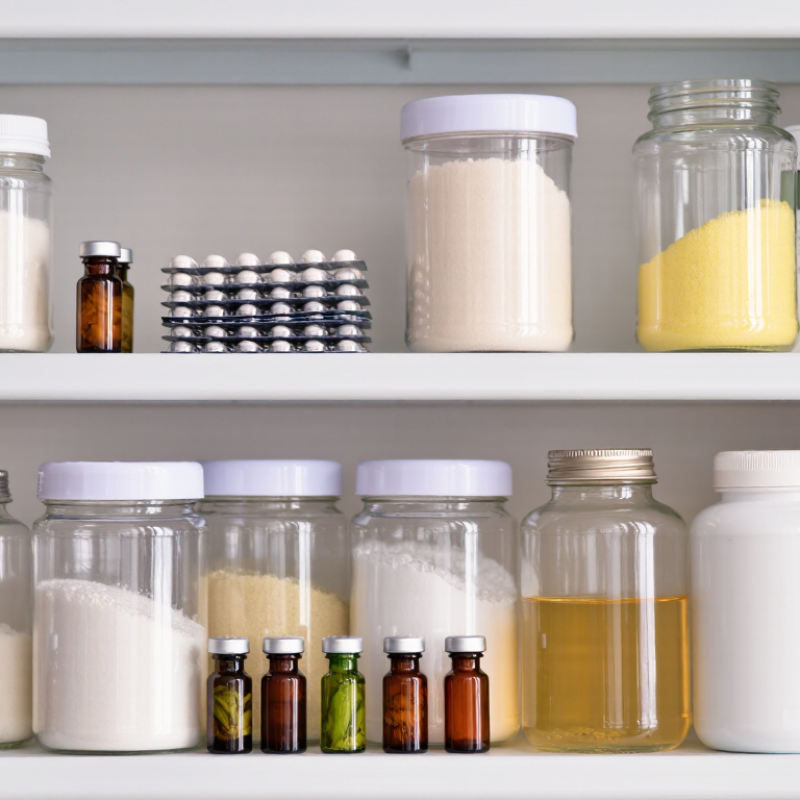
Understanding storage requirements is essential because supplement ingredients can absorb moisture, oxidize, or lose potency before production. USP–NF General Chapter <659> defines controlled room temperature as 20–25°C, with permitted excursions from 15–30°C. Keep temperature stable, not merely acceptable. Tip 1: Use calibrated data loggers. Tip 2: Record readings at least daily. Tip 3: Separate ingredients requiring refrigeration or freezing.
Moisture control deserves equal attention. Hygroscopic powders may cake inside sealed bags when humidity rises. The World Health Organization’s Technical Report Series No. 1025, Annex 9, recommends documented monitoring, suitable ventilation, and investigation of storage excursions. Tip 4: Track relative humidity, especially below 60% when the specification requires it. Tip 5: Store containers on pallets, away from walls and floors. Tip 6: Protect light-sensitive materials with opaque secondary packaging.
Practical checks often prevent expensive losses. Inspect seals, labels, and tamper evidence when shipments arrive. Apply FEFO, or first-expire, first-out, rather than relying only on delivery dates. Tip 7: Quarantine damaged or temperature-exposed lots until quality staff review the records. A perfect warehouse is unrealistic. Even a careful checklist can miss a brief door-opening event. For that reason, review logger data, not just handwritten forms, and document corrective actions clearly. Storage specifications should come from the supplier’s stability data, the certificate of analysis, and applicable quality procedures.
Understanding Storage Requirements for Supplement Ingredients
The bars show a qualitative planning scale, not measured laboratory results: 5 means a factor is commonly a high storage priority. Keep ingredients in tightly closed, clearly labeled containers; control moisture, heat, light, and air as appropriate; use clean handling practices; and follow each ingredient’s label, supplier guidance, and applicable specifications. Storage needs vary by ingredient.
A suitable storage space should stay cool, dry, and stable. Sudden temperature changes can encourage moisture inside containers, especially when ingredients are moved between rooms. Choose an interior cupboard away from ovens, radiators, sunny windows, and damp walls. Keep containers off the floor, where spills and temperature swings are easier to miss. Small details matter.
Humidity deserves attention. A bathroom or laundry room may seem convenient, but steam can affect powders and other moisture-sensitive ingredients. Use a clean, dry room instead, and keep containers tightly closed after each use. If the storage area feels humid, a simple humidity monitor can help reveal patterns you might otherwise overlook. It is not a perfect measure, but it is better than guessing.
Follow the supplier’s storage instructions, since different ingredients can have different needs. Some may require refrigeration, while others should remain at room temperature; avoid assuming one rule fits every material. Keep original labels readable, and record temperature or humidity readings when conditions vary. A cupboard may feel cool in the morning and warm by afternoon. That is easy to miss. Check the space periodically, and adjust it when seasons or room use change.
Choose containers for the ingredient, not just the shelf. Powders that absorb moisture need tight closures and a moisture barrier; light-sensitive materials benefit from opaque or amber packaging. A clean, dry scoop also matters. Returning a damp scoop can undo careful packaging.
The World Health Organization’s stability-testing guidance uses 40°C and 75% relative humidity for six months as an accelerated testing condition for certain pharmaceutical products. That is a testing benchmark, not a guarantee of supplement shelf life, but it shows why heat and humidity deserve attention. For sensitive ingredients, ask suppliers for stability data tied to the actual container and storage conditions. USP General Chapter <659> also describes packaging and storage terminology used across pharmaceutical practice; it can help teams specify containers consistently. A jar may look sturdy and still allow moisture to pass through its walls.
Check seals, liners, and closures when ingredients arrive, then record lot numbers and storage conditions. Keep containers off cold, damp floors and away from windows or warm equipment. Small details count. I have seen storage instructions treated as an afterthought; that is an easy habit to question. Use desiccants only when appropriate for the ingredient and packaging system, and do not assume they can compensate for a poor seal.
A well-organized ingredient area makes stock checks quicker and helps prevent mix-ups. Keep each ingredient in its original, clearly labeled container when possible. Place containers in clean, dry storage away from direct sunlight, heat, and moisture. Check the label for storage instructions, because requirements can vary. Small details matter.
Tip: Group ingredients by name or function, but keep similar-looking powders apart. Use shelf labels and leave enough space to read container labels without moving everything. After opening a container, record the date and close it securely. A simple log can note the ingredient, lot number, amount received, and opening date. Paper records work, though they can be forgotten during busy shifts.
Tip: Rotate stock using the first-expiring, first-out method. Put items with earlier expiration dates at the front, and check dates during routine inventory reviews. Do not assume the oldest delivery expires first; compare the dates on the containers. Set aside damaged, damp, or poorly labeled stock for evaluation rather than guessing what it is. One missed label can undo a tidy shelf. I still find that busy days make records slip, so a brief weekly check is more realistic than relying on memory. Keep the storage area orderly, but review the system when staff or inventory patterns change.
A storage plan works only when conditions are checked, not guessed. Keep a simple log of room temperature and humidity, especially through seasonal changes. Follow the ingredient supplier’s storage instructions; different powders, oils, and extracts may need different conditions. Use a calibrated thermometer and hygrometer near the storage area, away from windows, heaters, and exterior doors. Small shifts matter. A warm shelf can be easy to overlook.
Inspect ingredients when receiving them and during routine stock checks. Look for torn seals, damp patches, unusual clumping, discoloration, or a change in smell. A powder that once poured freely may become lumpy after moisture enters the container. Do not taste an ingredient to decide whether it is usable. Appearance and smell can raise concerns, but they cannot confirm that an ingredient is safe or effective. When something seems wrong, isolate it and consult the supplier’s guidance.
Keep containers tightly closed, clean, and clearly labeled with the ingredient name and opening date. Store scoops dry; putting a damp utensil back can introduce moisture. Use older stock first, while respecting its stated shelf life and storage requirements. Refrigeration is not automatically better: moving a cold container into warm, humid air may cause condensation. I have seen careful labels overlooked during busy restocking. That small lapse is worth correcting.
Keep controlled room temperature near 20–25°C. Brief excursions between 15–30°C may be permitted, depending on specifications. Stability matters more than one acceptable reading.
Use calibrated data loggers, thermometers, and hygrometers. Record readings at least daily. Place instruments away from windows, heaters, and doors. Handwritten logs can miss short events.
Moisture can make hygroscopic powders cake inside sealed bags. Keep relative humidity below 60% when required. Store containers on pallets, away from walls and floors.
Keep materials in original, tightly closed containers. Use opaque secondary packaging for light-sensitive ingredients. Store them in a clean, dry area away from heat and sunlight.
Inspect seals, labels, tamper evidence, and container condition. Look for torn packaging, damp patches, clumps, discoloration, or unusual smells. Do not taste the material.
Use first-expiring, first-out rotation. Move earlier-expiring containers to the front. Compare actual expiration dates, not delivery dates. Small label checks prevent large mistakes.
Isolate the affected lot in a clearly marked area. Review logger data and storage records. Quality staff should decide its status before use. Guessing is risky.
No. Cold containers can collect condensation after entering warm, humid air. Follow the supplier’s storage instructions. I used to assume colder meant safer, but that shortcut can fail.
Learning how to store dietary supplement ingredients properly begins with understanding that different ingredients may have different needs. Heat, humidity, light, and air can gradually affect quality, so choose a clean, dry, stable storage area away from direct sunlight and strong temperature changes. Use containers that suit the ingredients, such as clean, tightly sealed, moisture-resistant packaging, and keep containers closed between uses to limit exposure.
Organize ingredients so they are easy to identify and access, with clear labels and dates. Use older stock first and check supplies regularly to avoid keeping ingredients longer than intended. Monitor storage conditions with simple checks, paying attention to unusual odors, color changes, clumping, damaged packaging, or other signs that quality may have changed. Consistent organization and routine inspections help protect ingredient quality and make storage practices more reliable.

Soy Extracts