Direct access to verified pharmaceutical, cosmetic, and nutritional ingredients manufactured under strict GMP compliance standards.
In the rapidly evolving global functional nutrition market, Medium-Chain Triglyceride (MCT) oil has emerged as a fundamental element. Sourced primarily from coconut oil or palm kernel oil, MCTs are structured with medium-chain fatty acids (primarily C8 Caprylic and C10 Capric acids) that allow quick metabolic conversion into clean energy. This whitepaper analyzes the manufacturing frameworks, global export benchmarks, and technological advancements steering the industry.
Hangzhou Soy Extracts Co., Ltd. is a leading China dietary supplement ingredients manufacturer specializing in the research, development, production, and supply of high-quality nutraceutical raw materials. Through advanced fractionation, esterification, and microencapsulation, we provide consistent solutions for international brands.
Our experienced R&D team continuously explores new ingredient technologies and carrier matrices. By offering customized development (OEM/ODM support), we help international brands accelerate product launches and secure competitive advantages in sports nutrition, keto diets, and cognitive health portfolios.
Quality assurance is integrated into every phase, from raw material sourcing to final packaging. Rigorous quality control procedures ensure chemical consistency, purity, and safety. All operations comply with international standards, delivering traceable solutions that meet critical export regulations.
Understanding macro-market dynamics is essential for modern raw material procurement. The MCT oil market is witnessing transformative shifts driven by technological innovation and changing consumer values.
Global enterprises are demanding strict environmental compliance. Sourcing has evolved beyond raw cost metrics to prioritize Roundtable on Sustainable Palm Oil (RSPO) certified palm kernel oil or fully sustainable coconut sources. Sustainable coconut-based MCT oil represents a high-margin sector due to its positive perception in organic and natural cosmetic markets.
While standard MCT oil offers a 60:40 or 70:30 ratio of C8 to C10, high-tier cognitive health supplements demand 95%+ pure Caprylic Acid (C8). C8 converts into ketones faster than C10 or C12, making it highly valuable in brain-health formulations, therapeutic foods, and specialized medical nutrition products.
MCT oil powder is progressively replacing liquid forms in ready-to-mix (RTM) beverages, protein powders, and meal replacements. Microencapsulation technology enables liquid MCT droplets to be locked within a solid carbohydrate or protein carrier matrix (such as Acacia gum or prebiotic soluble fiber), preventing oil separation and extending product shelf life.
Consumers reject synthetic excipients and starch-based carriers like sodium caseinate or maltodextrin. Factories are shifting toward clean-label alternatives, using organic prebiotic fibers (Acacia fiber) and pea protein matrices to ensure allergen-free, vegan-compliant MCT powder formulations.
For bulk purchasers, technical precision is paramount. The table below represents the industry-standard specification requirements demanded by global quality assurance departments during supplier audits.
| Specification Parameter | Standard MCT Oil (Liquid) | MCT Oil Powder (Acacia Carrier) | Analytical Verification Method |
|---|---|---|---|
| C8 (Caprylic Acid) Content | 55.0% - 65.0% | 35.0% - 45.0% (active basis) | Gas Chromatography (GC-FID) |
| C10 (Capric Acid) Content | 35.0% - 45.0% | 20.0% - 30.0% (active basis) | Gas Chromatography (GC-FID) |
| Acid Value | ≤ 0.1 mg KOH/g | ≤ 1.0 mg KOH/g | AOCS Cd 3d-63 titration |
| Peroxide Value | ≤ 1.0 meq/kg | ≤ 2.0 meq/kg | AOCS Cd 8b-90 iodometry |
| Heavy Metals (Pb, As, Cd, Hg) | ≤ 0.5 ppm total | ≤ 1.0 ppm total | ICP-MS (Inductively Coupled Plasma) |
| Total Plate Count | ≤ 1,000 cfu/g | ≤ 3,000 cfu/g | USP <61> Microbiological Test |
| Moisture & Volatile Matter | ≤ 0.1% | ≤ 4.0% | Loss on Drying / Karl Fischer |
Enterprise buyers must audit facilities for GMP certification, Allergen-Free statements, Non-GMO verification, and heavy metal testing via ICP-MS. At Hangzhou Soy Extracts, we provide documentation portfolios including Certificates of Analysis (COA), Technical Data Sheets (TDS), and Safety Data Sheets (SDS) for every batch, guaranteeing absolute safety and compliance.
Converting raw lipid sources into high-performance ingredients requires precise engineering. Below is the processing system utilized to manufacture stable, highly bioavailable MCT solutions.
Raw coconut or palm kernel oil undergoes thermal separation to isolate fatty acids by boiling point. This step filters out long-chain fatty acids (like Lauric acid C12) and concentrates the C8 and C10 fractions.
Isolated medium-chain fatty acids are chemically or enzymatically esterified with glycerol to form stable medium-chain triglycerides. This process eliminates free fatty acids and minimizes off-flavors.
For powder variations, the liquid MCT is blended with water and carrier matrices (such as prebiotic Acacia fiber or organic Pea Protein) using high-pressure homogenizers to form a stable emulsion with sub-micron droplet sizes.
The homogenized emulsion is sprayed into a drying tower. Under controlled temperature conditions, moisture evaporates instantly, leaving behind free-flowing microencapsulated MCT powder particles.
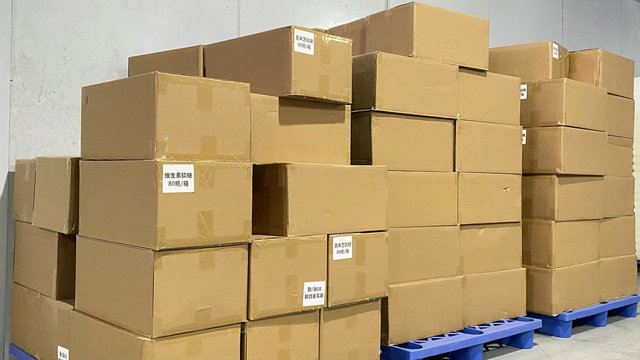
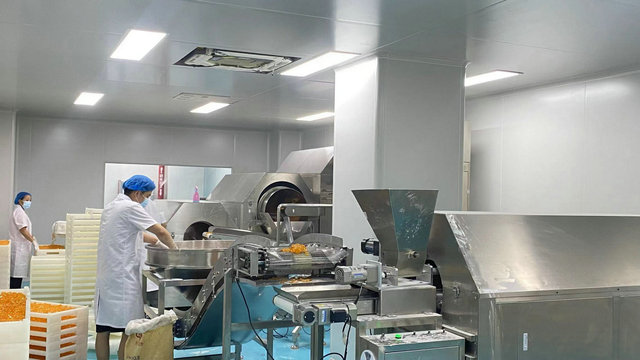
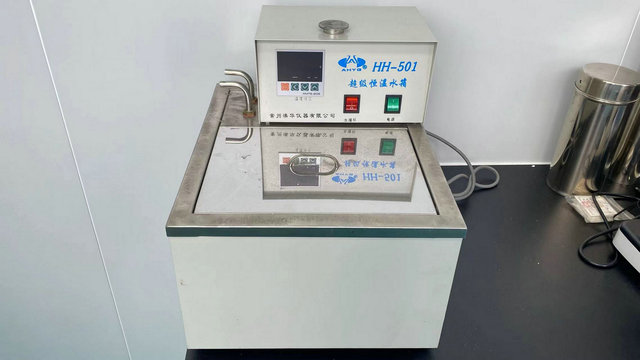
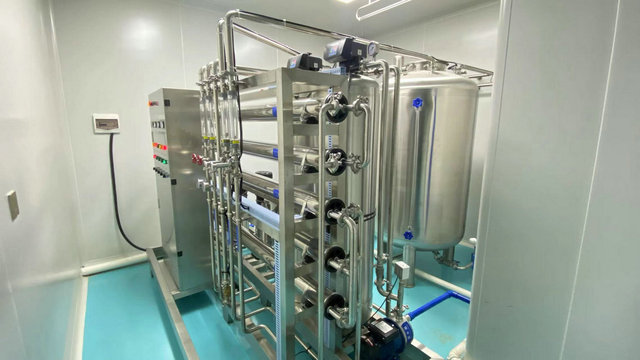
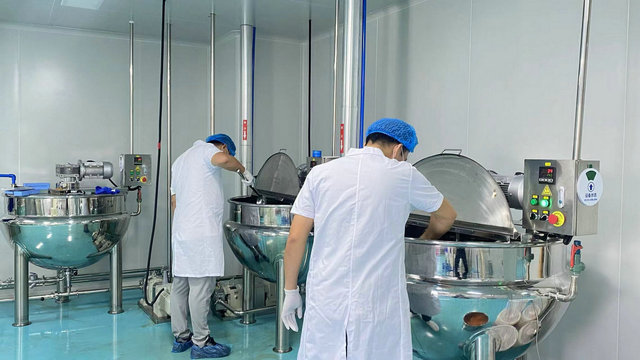
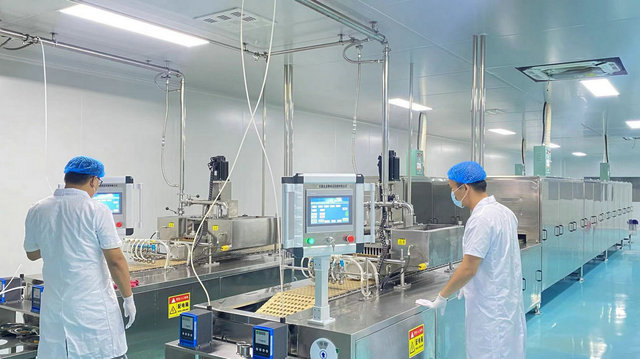
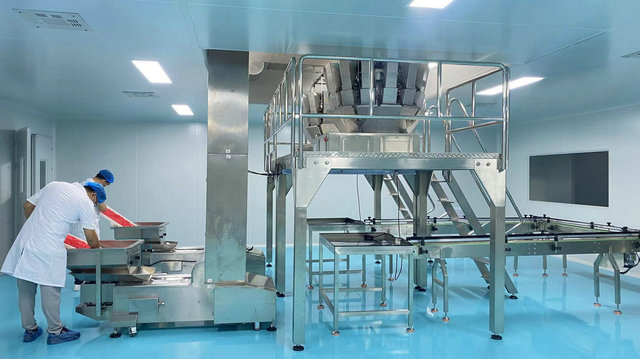
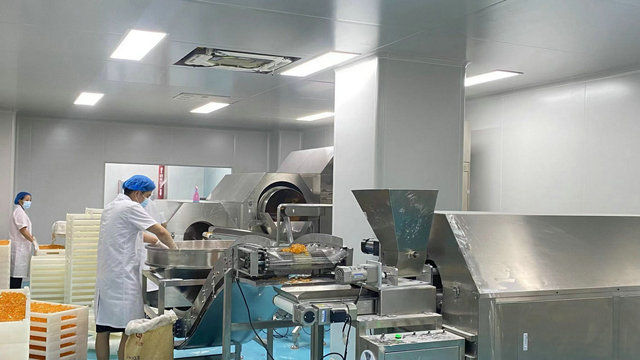
A visual showcase of our advanced manufacturing spaces, GMP-compliant clean rooms, extraction zones, and R&D laboratories.

Operating a global supply chain requires deep regulatory expertise. Sourcing from Hangzhou Soy Extracts provides enterprises with comprehensive support to ensure products meet localized market requirements.
Our ingredients meet FDA regulations, EFSA guidelines, and SFDA criteria. We provide full documentation support, including Allergen Statements, GMO declarations, Kosher certificates, and Halal approvals, to facilitate seamless customs clearance.
We offer diverse shipping configurations, from sea and air freight to express logistics. Flexible packaging choices—including 25kg drums, bulk IBC containers, and customizable bag designs—help optimize transport costs and protect product integrity.
With warehouse points in China and partnerships with global shipping lines, we guarantee continuous feedstock supply. This minimizes lead times, stabilizes prices against market volatility, and prevents supply disruptions.
Find quick answers to common technical, logistics, and quality questions related to bulk MCT oil sourcing.
In addition to lipid ingredients, we manufacture functional proteins, amino acids, and custom supplement formulations to support modern brand portfolios.
 Soy Extracts