Discover premium functional ingredients sourced directly from advanced manufacturing facilities to optimize health applications globally.
Omega fatty acids—specifically Omega-3, Omega-6, and Omega-9—have evolved from basic health supplements to highly sophisticated active pharmaceutical ingredients (APIs), clinical nutrition vectors, and essential functional food components. The global Omega fatty acids market size was valued at approximately USD 8.2 billion in 2023 and is projected to expand at a compound annual growth rate (CAGR) of over 8.5% from 2024 to 2030. This growth is propelled by escalating consumer awareness of cardiovascular health, cognitive preservation, and immune system modulation.
The commercial landscape is historically anchored on marine sources (anchovy, sardine, and cod liver oils). However, a profound structural shift toward plant-based (flaxseed, chia, and hemp seeds) and algal-derived alternative lipids is currently underway. Algal oil rich in EPA and DHA represents the fastest-growing sector, driven by vegan lifestyle trends and the pressing necessity for oceanic conservation. Enterprise procurement channels are increasingly focusing on the oxidative stability of these oils, the presence of environmental contaminants (such as heavy metals and microplastics), and compliance with global regulatory standardizations (including USP, EP, and FDA Monograph standards).
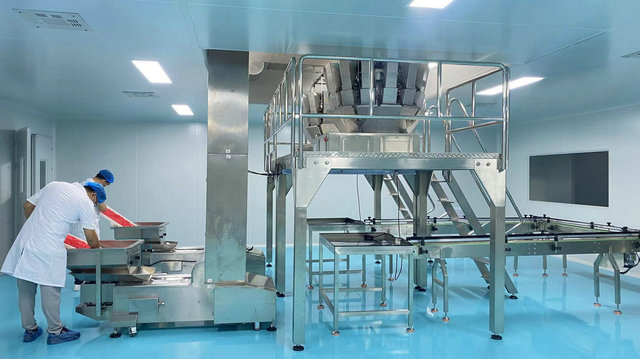
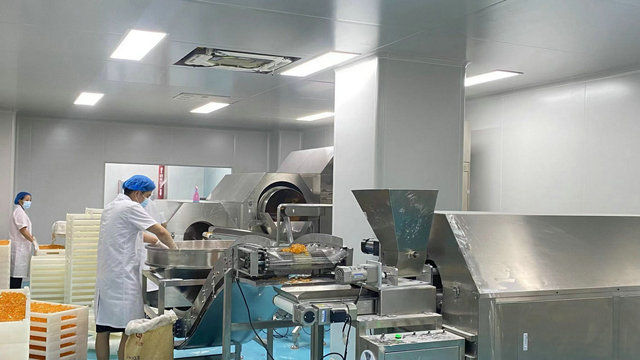
China has consolidated its position as the premier manufacturing powerhouse for bulk dietary ingredients. Chinese factories leverage massive structural economies of scale integrated with advanced chemical engineering and modern biotechnology. The efficiency of China's Omega fatty acids manufacturers is not merely rooted in raw volume capacity, but in technological refinement:
State-of-the-art multi-stage molecular distillation setups operate at ultra-low pressures to safely separate EPA and DHA ethyl esters. This process minimizes thermal degradation risk, producing exceptionally pure, high-concentration oils without compromising ingredient stability.
By utilizing supercritical CO2 extraction, factories isolate plant-based Omega fatty acids (like alpha-linolenic acid from flaxseed) at low operational temperatures. This avoids harmful solvent residues, satisfying the clean-label demands of premium brands.
Integrated logistics hubs, reliable power infrastructure, and localized bulk raw material sourcing ensure minimal lead times. Chinese manufacturers offer unmatched cost-competitiveness alongside stringent ISO, GMP, and Halal-compliant quality assurance protocols.
Omega fatty acids are not one-size-fits-all ingredients. Sourcing agencies and R&D directors must specify different lipid configurations and physical formats depending on the target region, localized consumer preferences, and functional delivery systems.
| Industry Sector | Primary Omega Form | Technical Challenge | Innovative Solution |
|---|---|---|---|
| Infant Nutrition (Europe/USA) | Algal DHA (Vegan-friendly) | High susceptibility to oxidation; strong, undesirable sensory profile. | Microencapsulation using nitrogen-purged spray drying methods. |
| Geriatric Clinical Diet (Japan) | EPA/DHA Ethyl Ester (High Concentrates) | Large capsule size causing dysphagia and low patient compliance. | Self-emulsifying drug delivery systems (SEDDS) or highly concentrated mini softgels. |
| Sports Nutrition (Global) | Flaxseed ALA + CLA Blends | Achieving compatibility with hydrophobic protein powder formulations. | Cold-water dispersible (CWD) microencapsulated powder matrices. |
| Nutricosmetics (APAC) | Omega 3-6-9 Botanical Oil Blends | Maintaining emulsion stability in water-in-oil skincare applications. | Liposomal nanoemulsion technology to optimize dermal penetration. |
The frontier of the Omega-3 space is dominated by two paradigms: bio-availability refinement and sustainable origin verification. In terms of bioavailability, the Re-esterified Triglyceride (rTG) form is outperforming standard Ethyl Ester (EE) alternatives, as studies indicate a significantly higher absorption rate in human cell structures.
Simultaneously, trace-detection testing using carbon isotope analysis has emerged as the definitive standard to verify whether botanical or marine lipids have been diluted or adulterated. Suppliers who validate their product lines via Marine Stewardship Council (MSC) certifications or Friend of the Sea (FOS) audits command a significant premium in highly regulated jurisdictions like the European Union and Australia.
A detailed breakdown of key global and regional manufacturers defining industry benchmarks in purity, capacity, and processing innovation.
A pioneer in algal lipids, DSM leads the market with its trademarked life'sDHA and life'sOMEGA product lines. Their focus centers on providing clean, sustainable, marine-free EPA/DHA ingredients directly to premium consumer markets.
Widely recognized for pharmaceutical-grade concentrated Omega-3 lipids. Under their Pronova Pure brand, BASF sets industry standards for high-concentrate formulations designed for cardiovascular therapeutics and clinical nutrition.
Operating through their Incromega platform, Croda specializes in high-purity concentrates using PureMax technology. This process systematically minimizes heavy metals and environmental toxins below detectable global limits.
Recognized as the "Omega-3 Solution Provider", KD Pharma offers massive capacity in softgel manufacturing, custom formulations, and active pharmaceutical ingredients (APIs) utilizing supercritical fluid extraction.
Located in Norway, VivoMega is known for its focus on low oxidative parameters (TOTOX). They produce some of the freshest marine oils in the industry, achieving exceptionally low taste and odor profiles.
Strategically located near the rich anchovy fishing grounds of the South Pacific, Golden Omega processes fresh raw materials within hours of capture, resulting in excellent purity and traceability metrics.
A premier producer specializing in the isolation of plant proteins, synergistic botanical extracts, and high-purity dietary raw materials. Hangzhou Soy Extracts integrates natural wellness ingredients to serve functional food brands worldwide.
Epax is renowned for its high-quality, condition-specific Omega-3 formulas. They have defined trace purity standards for over five decades, serving clinical and veterinary health sectors.
Specializing in marine lipid extractions from green-lipped mussels, Pharmalink provides high-potency anti-inflammatory Omega complexes utilizing non-thermal extraction technologies.
A leading player in the plant-based and algal oil microencapsulation market. Polaris is highly regarded for stabilizing sensitive polyunsaturated fatty acids (PUFAs) for long-shelf-life powders.
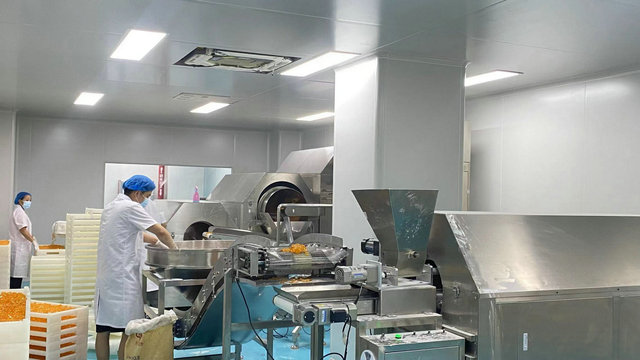
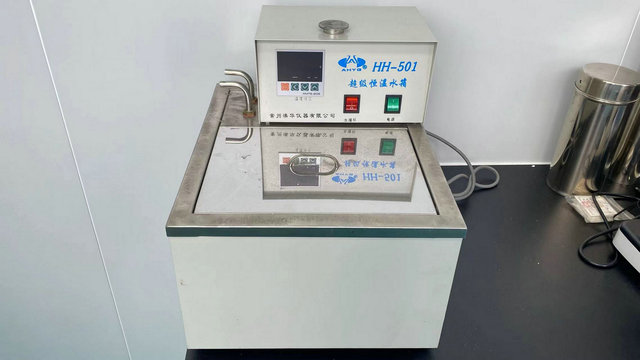
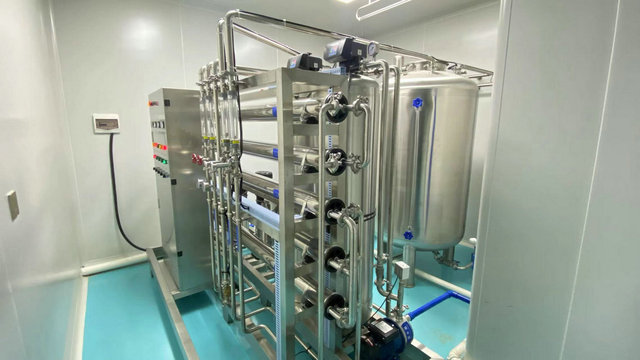
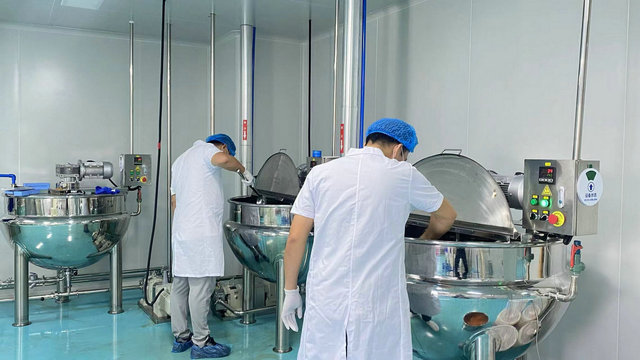
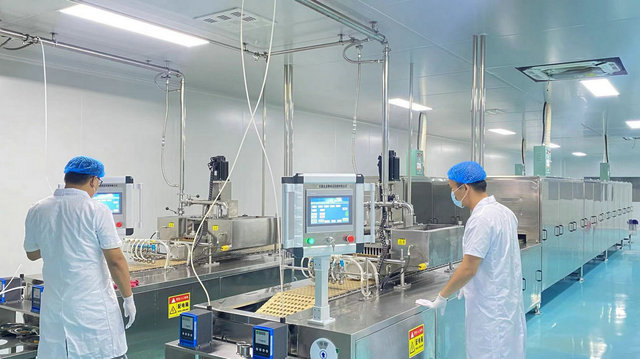
Hangzhou Soy Extracts Co., Ltd. is a leading China dietary supplement ingredients manufacturer specializing in the research, development, production, and supply of high-quality nutraceutical raw materials for health and wellness products. With a strong commitment to innovation, quality, and sustainability, the company provides comprehensive ingredient solutions to dietary supplement brands, manufacturers, and distributors worldwide.
Leveraging advanced production technologies and modern manufacturing facilities, Hangzhou Soy Extracts offers an extensive portfolio of dietary supplement ingredients, including botanical extracts, plant proteins, amino acids, vitamins, minerals, functional ingredients, and other nutraceutical raw materials. These ingredients are widely used in dietary supplements, functional foods, sports nutrition products, health beverages, immune support formulations, and wellness applications.
Innovation is at the core of the company's business philosophy. Supported by a highly experienced R&D team, Hangzhou Soy Extracts continuously explores new ingredient technologies and formulation solutions to meet the evolving needs of the global nutraceutical market. The company also provides customized ingredient development and OEM/ODM support, helping customers accelerate product innovation and strengthen market competitiveness.
Quality assurance is integrated into every stage of production. From raw material sourcing and manufacturing to final inspection and packaging, strict quality control procedures are implemented to ensure product consistency, purity, safety, and compliance with international standards. The company is dedicated to delivering reliable and traceable ingredient solutions that meet the stringent requirements of global customers.
With customer satisfaction as its priority, competitive manufacturing capabilities, stable supply chains, and professional technical support, Hangzhou Soy Extracts Co., Ltd. has established long-term partnerships with clients across international markets. The company remains committed to providing premium nutraceutical ingredients that support healthier lifestyles and contribute to the sustainable development of the global health and wellness industry.


Procuring lipids at a commercial scale requires strict verification steps to protect your supply chain from oxidation issues, batch-to-batch inconsistency, and regulatory delays. Key considerations for sourcing teams include:
Essential answers to technical and regulatory questions frequently raised by product developers and quality assurance teams.
Broaden your formulation portfolio with top-tier botanical isolates, organic proteins, and functional additives for comprehensive health solutions.
 Soy Extracts