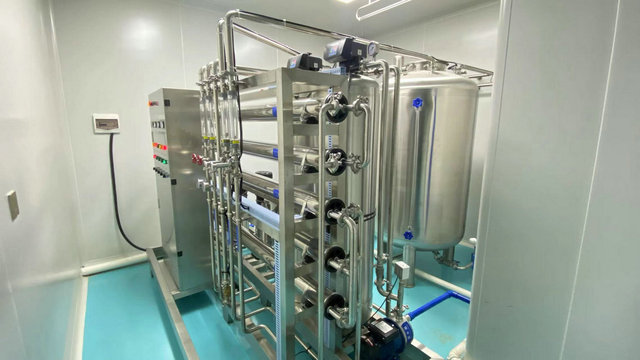
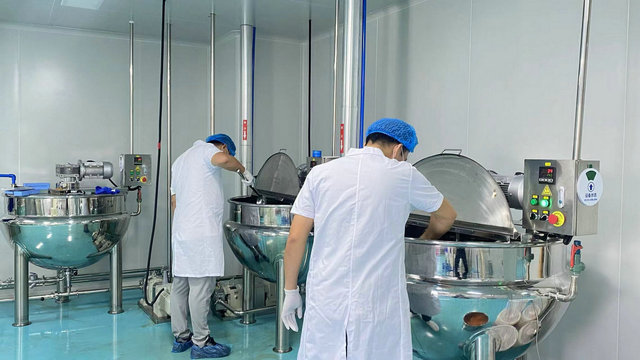
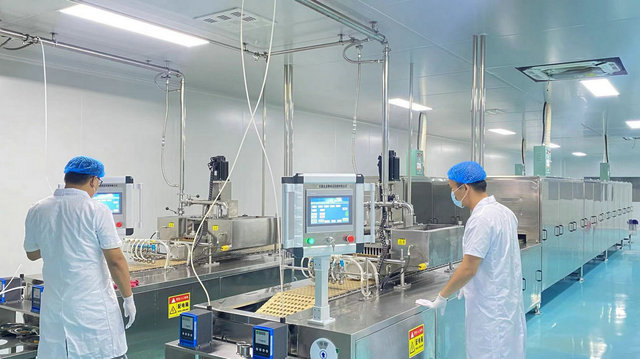
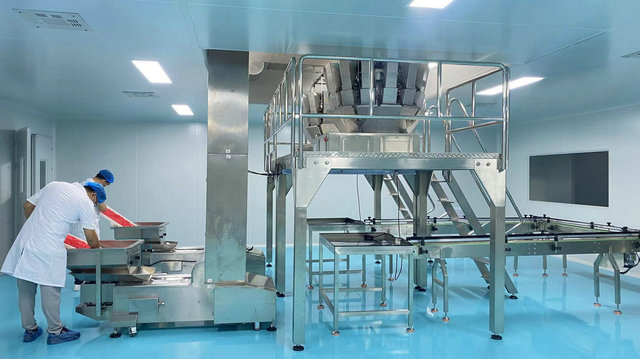
In the modern nutritional landscape, microbial fermentation stands at the vanguard of ingredient innovation. As a global leader in dietary supplement ingredient synthesis, Hangzhou Soy Extracts Co., Ltd. has constructed a robust framework for delivering premium nutraceutical raw materials. We specialize in precision solid-state and submerged fermentation technologies, converting simple organic inputs into complex, highly bioavailable functional nutrients.
From the manufacturing of specialized probiotics and adaptogenic drink matrices to the extraction of localized botanical compounds, our operations align with international quality benchmarks. Leveraging a robust manufacturing complex in China, we provide B2B buyers with comprehensive traceability, high active concentration, and verifiable compliance documents.

Explore our flagship bioactive raw materials configured to meet stringent food, beverage, cosmetics, and nutraceutical industry standards.
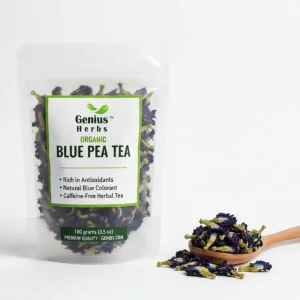
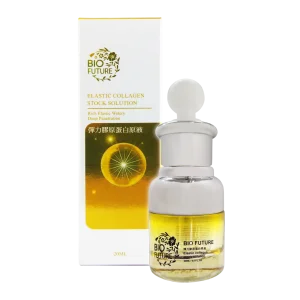

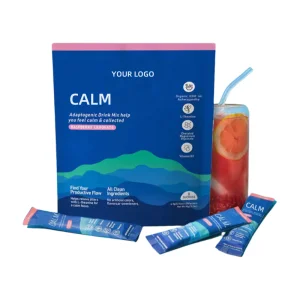
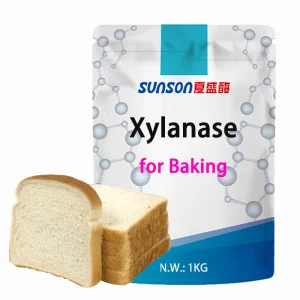
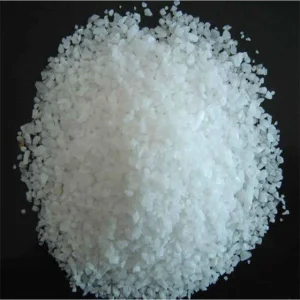
Global supply chain integration has forced a transition from wild harvest to biosynthesized cultivation. In terms of metabolic optimization and scaling, manufacturers in China have established unmatched infrastructure. Microbial production pathways bypass agricultural variability, delivering highly predictable bio-active metabolites. For example, our fermentation protocols guarantee highly stable strain activities and strict yields of active marker compounds.
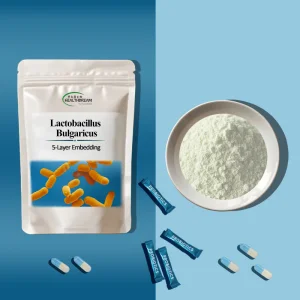
Submerged liquid fermentation yields precise, standardized metabolites (e.g., specific enzyme activities of Xylanase, or active cells counts in Lactobacillus Bulgaricus) by carefully regulating pH, dissolved oxygen, and nutrient feeding regimens. Conversely, our solid-state fermentation replicates traditional symbiotic processes under sterile parameters, optimizing bio-availability and enzymatic synergy.
Preservation of metabolic activity during thermal processing and spray drying. Utilizing advanced cryo-protectants to lock in live strain density.
Precision enzymatic degradation patterns to split proteins into smaller peptides, improving total digestibility and rapid gut absorption properties.
Moving from bioreactor laboratory scale to 100,000-liter massive industrial scale while keeping precise physical-chemical homogeneity.
Purchasing managers from global enterprises encounter three significant challenges: logistics interruptions, regulatory misalignment, and lack of customization. Hangzhou Soy Extracts Co., Ltd. addresses these challenges by aligning local resources with international compliance structures.
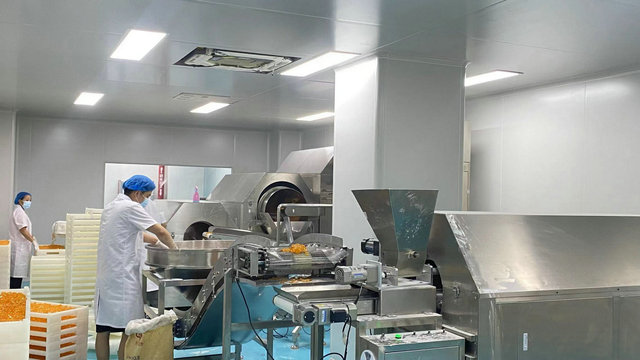
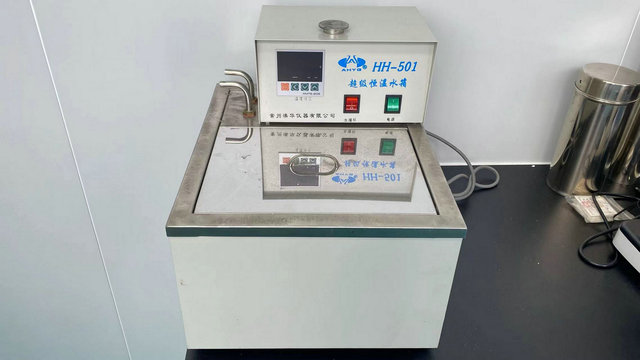
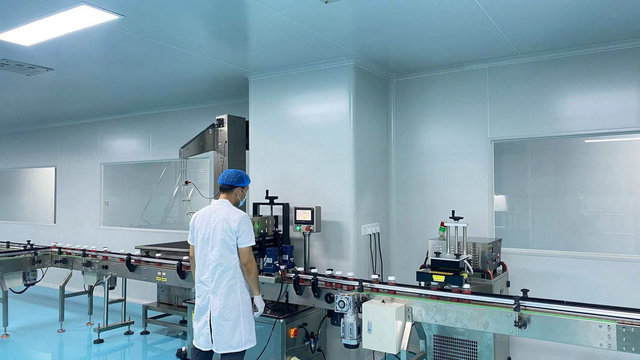
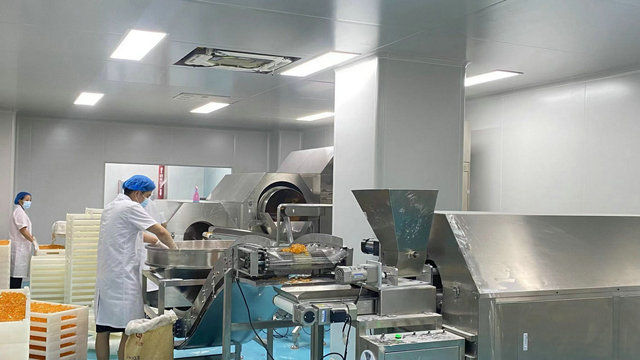
To maintain seamless market access in North America, Europe, and Asia-Pacific, imported fermented ingredients must meet specific geographic demands. Below is our operational matrix that helps procurement groups confirm safety metrics before ordering.
| Target Region | Compliance Mandate | Technical Verification System | Customization Path |
|---|---|---|---|
| United States (US FDA) | cGMP, GRAS Notification, FSMA Verification | HPLC identification testing, heavy metal testing (ICP-MS) | Organic Monohydrate & clean-label variants |
| European Union (EFSA) | Novel Food Status validation, allergen declarations | Pesticide screens (EU regulation standards), non-irradiated certifications | Pesticide-free / Low-residue herbal powders |
| Middle East & SEA | Halal (JAKIM/MUI compliant) & Kosher certifications | Animal-free testing, strictly synthetic or microbial source material validation | Plant-based proteins, organic gum drop bases |
| East Asia (China/Japan) | National Safety Standards (GB Codes) | Verification of micro-organism thresholds, physical assay metrics | Highly solubility formulas optimized for functional RTD beverages |
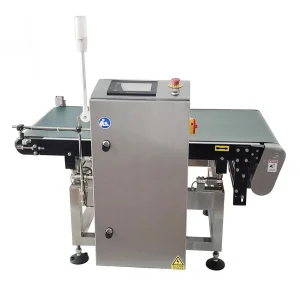
Explore our high-performance line of ingredients designed for cosmetic formulation, digestive optimization, pet food production, and automated quality control.
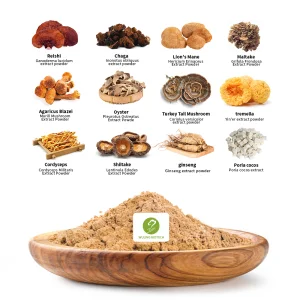
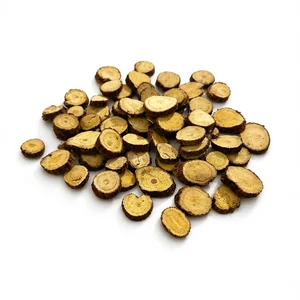
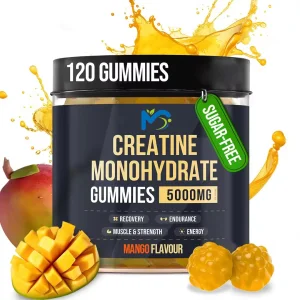
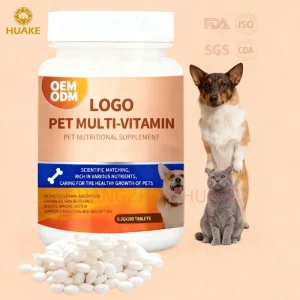
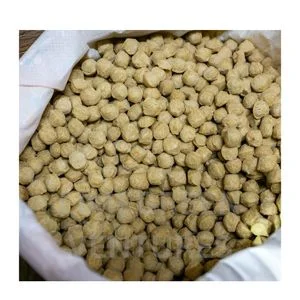
The global functional ingredients industry is transitioning away from basic botanical extraction. Advanced companies are moving toward biosynthetic pathways to produce high-value molecules like antioxidants, peptides, and stable probiotic cultures. Key industry trends shaping the next decade include:
Developing heat-tolerant probiotic strains (such as Lactobacillus bulgaricus variants) that remain viable in ambient storage conditions, reducing cold chain requirements.
Using bioreactor cultivation for adaptogens like Ashwagandha. This process avoids natural soil depletion while ensuring high concentrations of active Withanolides.
Employing lipid micro-encapsulation technologies for active cosmetics like Retinol, ensuring gradual release and improved stability against light and oxidation.
Get technical insights directly from our quality assurance and product development engineering teams.
 Soy Extracts