Soy Extracts
1 / 5
| No. | ITEMS | INDEX |
|---|---|---|
| 1 | Particle size (%<40 mesh) | ≥80 |
| 2 | Loss on drying/(%) | ≤8.0 |
| 3 | Lead/(mg/kg) | ≤5.0 |
| 4 | Arsenic/(mg/kg) | ≤3.0 |
| 5 | Total viable count/(CFU/mL) | ≤50000 |
| 6 | Coliform Bacteria/(CFU/mL) | ≤30 |
| 7 | Escherichia coli (CFU/mL) | <10 |
| 8 | Escherichia coli (MPN/mL) | ≤3.0 |
| 9 | Salmonella/(25mL) | Not Detected |
| Items | Description |
|---|---|
| Declared Activity* | ≥12500u/g & ≤13750u/g |
| Physical Form | Powder |
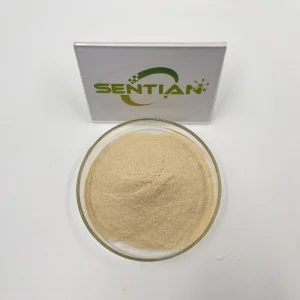
| Color** | Light yellow |
| Odour | Normal microbial fermentation odour. |
| Condition | Range |
|---|---|
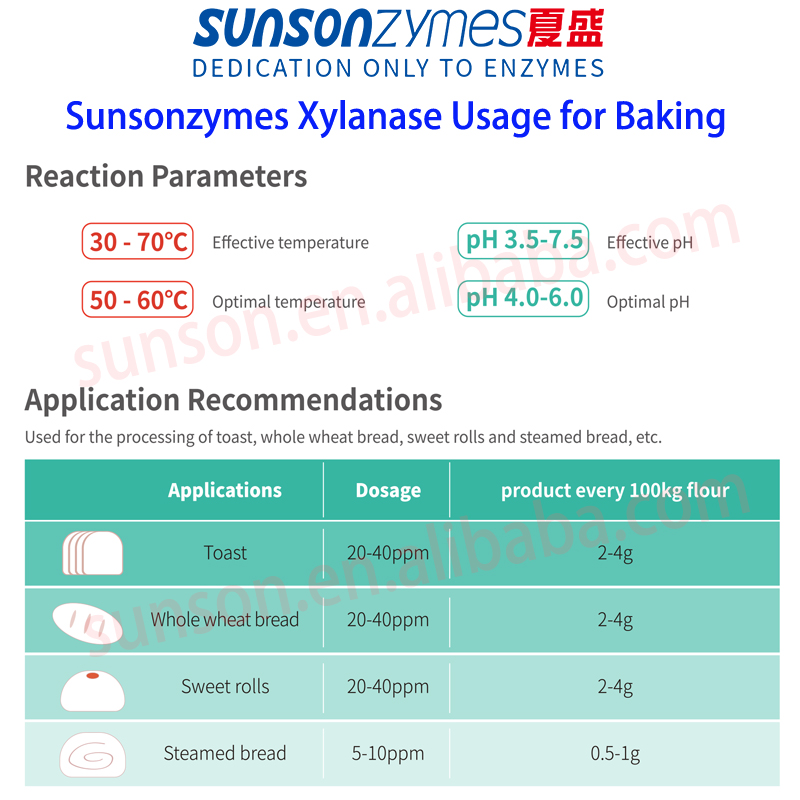
| Activity Temperature | 30℃ - 70℃ |
| Optimum Temperature | 50℃ - 60℃ |
| Activity pH | 3.5 - 7.5 |
| Optimum pH | 4.0 - 5.0 |
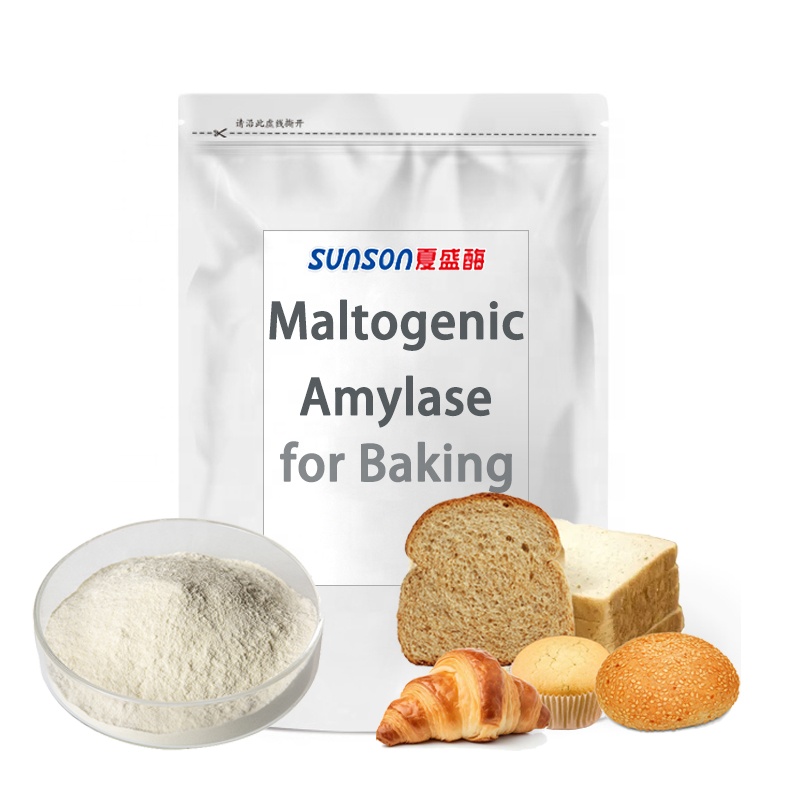
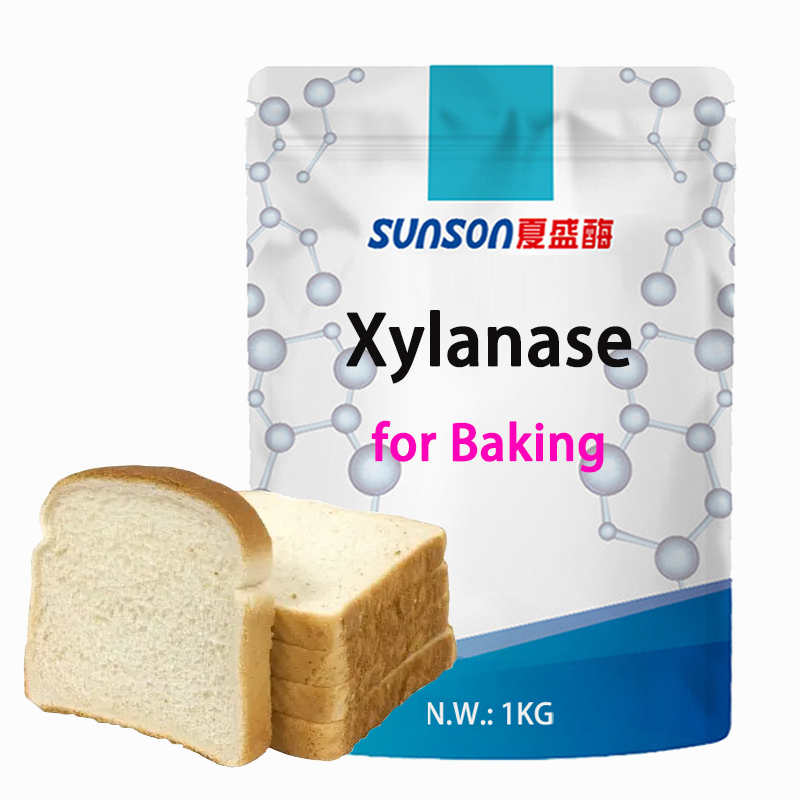
Used for bread fresh-keeping and sensory property improvement.
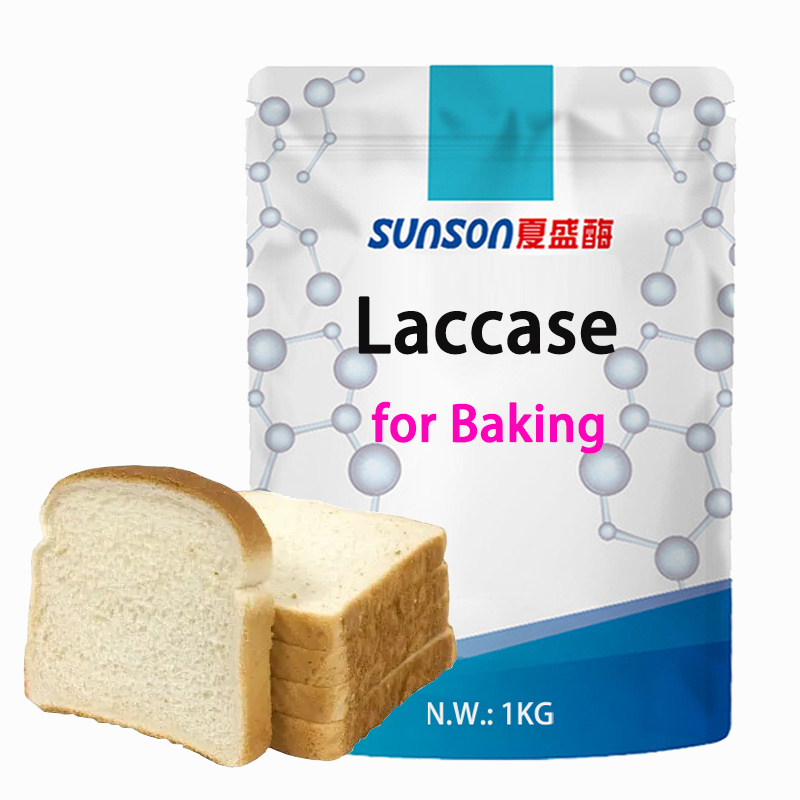
Reduce dough extensibility, improve dough processing performance.
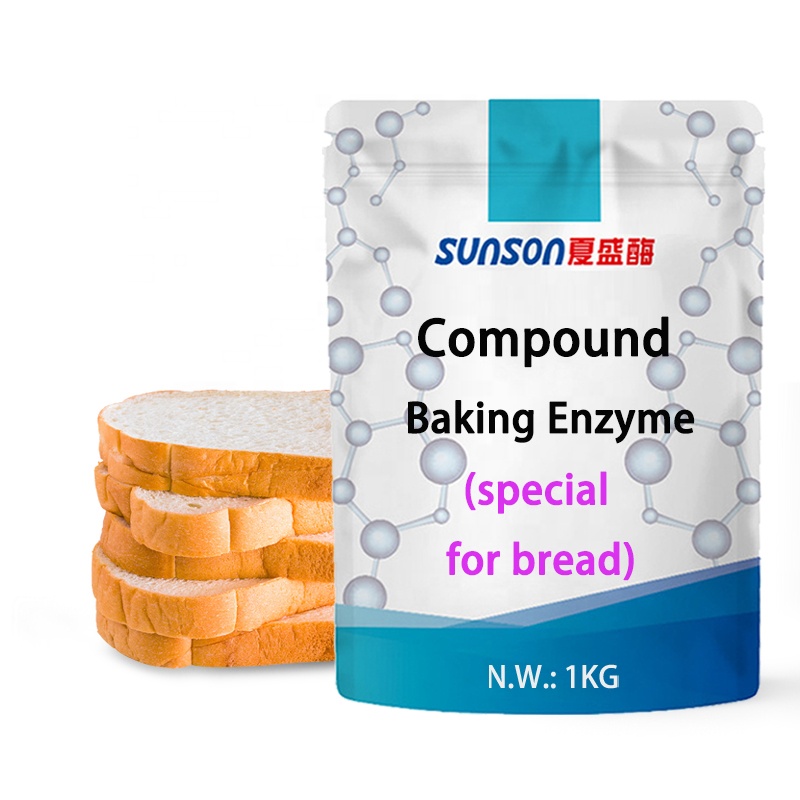
Consisting of Fungal Alpha-Amylase, Glucose Oxidase, Xylanase, Maltogenic Amylase, etc.
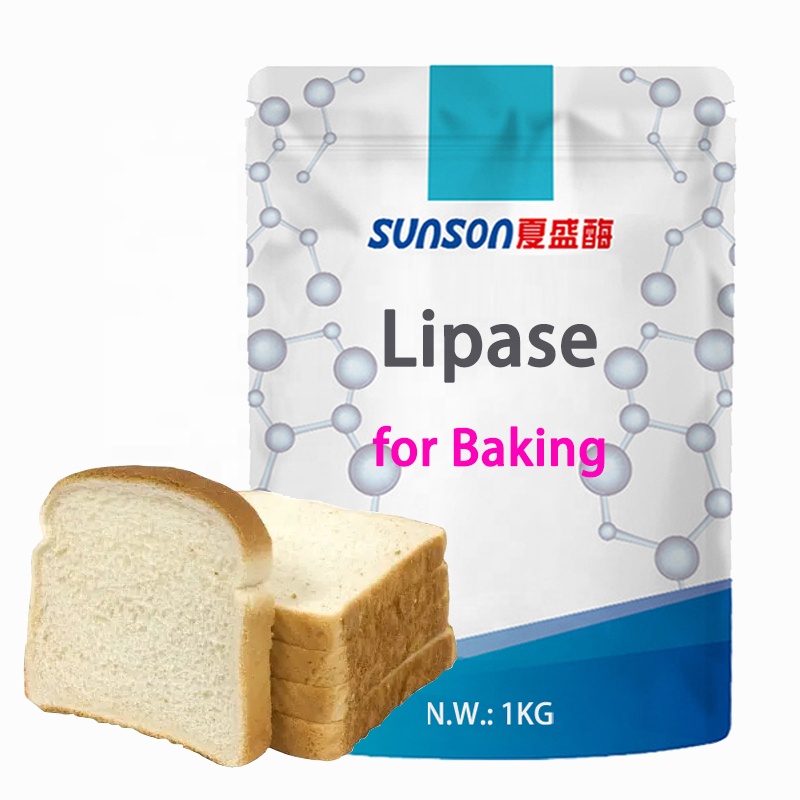
Lipase is beneficial to dough handling properties, gluten strengthening and crumb texture. It increases volume of bread and steamed bun.
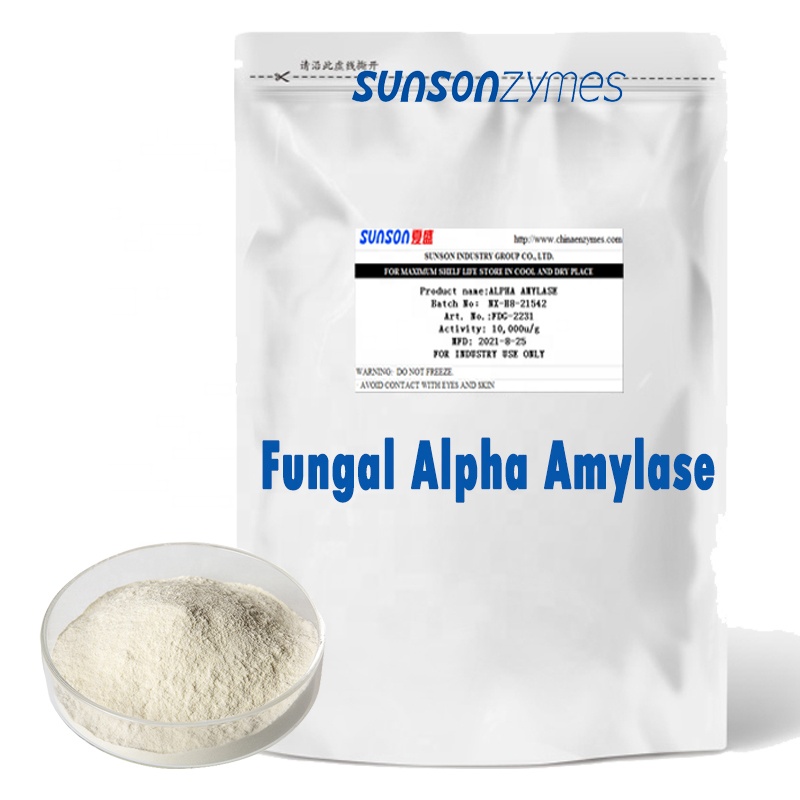
Fungal α-amylase depolymerizes starch to produce oligosaccharides. The product performs well in flour correction and baking industry.
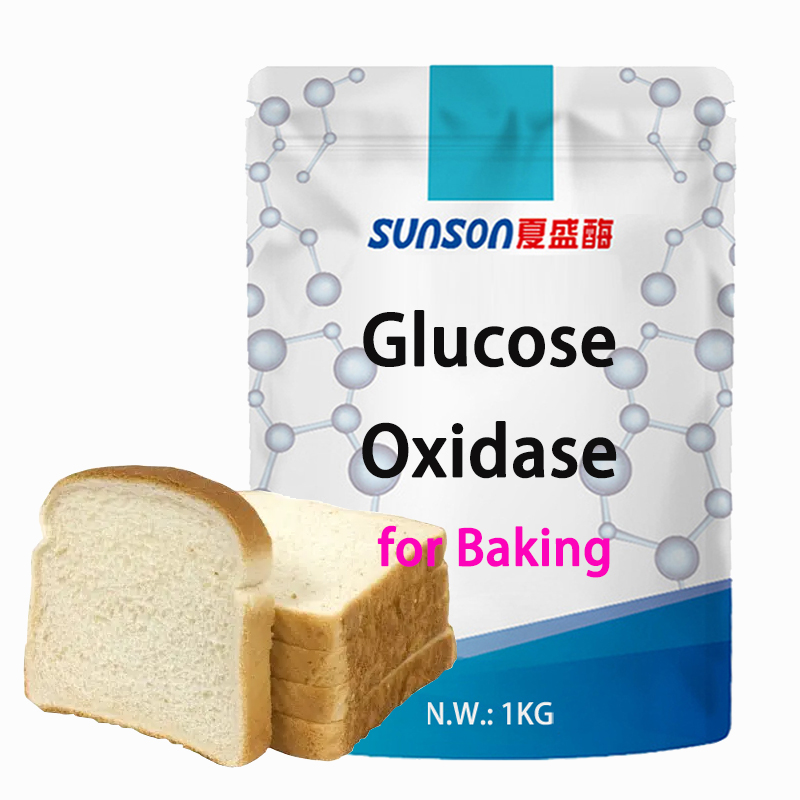
Glucose Oxidase is able to whiten flour, strengthen gluten and improve dough handling properties for various baked products.
A1: Baking Xylanase SBE-02X degrades the hemicellulose (pentosans) in flour, which significantly improves dough handling, yeast fermentation stability, loaf volume, and the overall crumb texture of baked goods.
A2: The recommended dosage is 1 to 3 grams per 100 kg of flour (10-30 ppm). Since the optimal amount depends heavily on flour quality, performing baking tests prior to full production is recommended.
A3: Excessive addition of Xylanase can reduce the water retention capacity of the dough, leading to undesirable stickiness and difficulties in handling.
A4: The enzyme remains active within a temperature range of 30℃ to 70℃ (optimum at 50℃-60℃) and a pH range of 3.5 to 7.5 (optimum at 4.0-5.0).
A5: Avoid direct contact with skin and eyes and prevent dust inhalation. Inhalation of enzyme dust may cause sensitization or allergic reactions in susceptible individuals. If irritation occurs, wash the affected area and consult a medical professional.
A6: It has a shelf life of 18 months when stored in its original, sealed packaging in a cool, dry place away from direct sunlight. Ensure containers are tightly closed after every use to maintain activity.