Soy Extracts
1 / 5
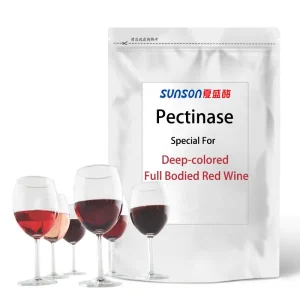
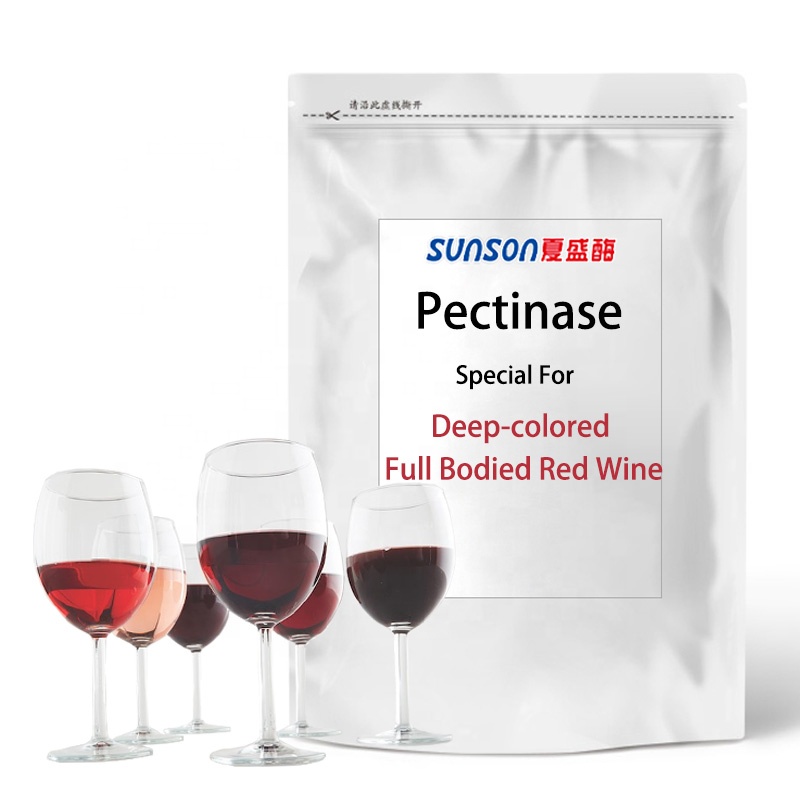
Pectinase (For Deep-Colored Full-Bodied Red Wine) is a pectinase specifically developed for wine production. This product is produced through liquid deep-tank fermentation using selected superior microbial strains, followed by refinement.
When added during fermentation or thermovinification, it efficiently extracts effective anthocyanins and structural compounds from grape skins and pulp while preventing the extraction of bitter substances. It also effectively enhances yeast autolysis. This results in red wines with deep, saturated color, prominent structure, balanced body, and improved aging potential.
This specialized pectinase for deep-colored full-bodied red wines is specifically designed for red wine production, featuring a unique enzyme ratio and distinct enzymatic activities. It is particularly suitable for the red wine vinification process. Beyond efficiently extracting color compounds, it effectively extracts high-quality color-protecting tannins from the grapes and significantly enhances yeast autolysis. This imparts the wine with a full, typical body.
Color compounds form bound states in this way, making them resistant to loss due to external environmental changes, thereby achieving color stability and palate fullness. This pectinase's mode of action ensures the prevention of excessive release of inferior tannins and colloidal substances.
It is primarily used for the extraction and stabilization of color in modern, full-bodied, deep-red wines, which are highly popular among consumers. Throughout the red winemaking process, this pectinase effectively increases the content of color compounds in the wine and balances the proportion of color-stabilizing substances from the grapes, thus protecting the extracted color.
| Parameter | Range Value |
|---|---|
| Effective Temperature Range: | 15°C - 63°C |
| Effective pH Range: | 3.5 - 5.5 |
| Optimum Temperature Range: | 40°C - 55°C |
| Optimum pH Range: | 4.5 - 5.0 |
This product complies with the relevant provisions of the National Food Safety Standard GB 1886.174 "National Food Safety Standard - Food Additives - Enzyme Preparations for Food Industry". Specific product quality standards are as follows:
| No. | Item | Specification / Indicator |
|---|---|---|
| 1 | Loss on Drying (%) | ≤ 8.0 |
| 2 | Particle Size (Passing 40-mesh sieve) (%) | ≥ 80 |
| 3 | Lead (Pb) (mg/kg) | ≤ 5.0 |
| 4 | Total Arsenic (As) (mg/kg) | ≤ 3.0 |
| 5 | Total Plate Count (CFU/g) | ≤ 50,000 |
| 6 | Coliform Bacteria (CFU/g) | ≤ 30 |
| 7 | Escherichia coli (CFU/g) | Not detectable |
| 8 | Salmonella (in 25g) | Not detectable |
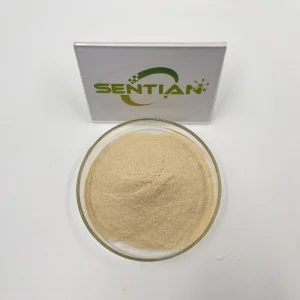
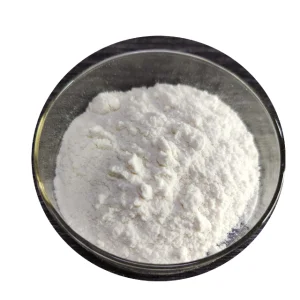
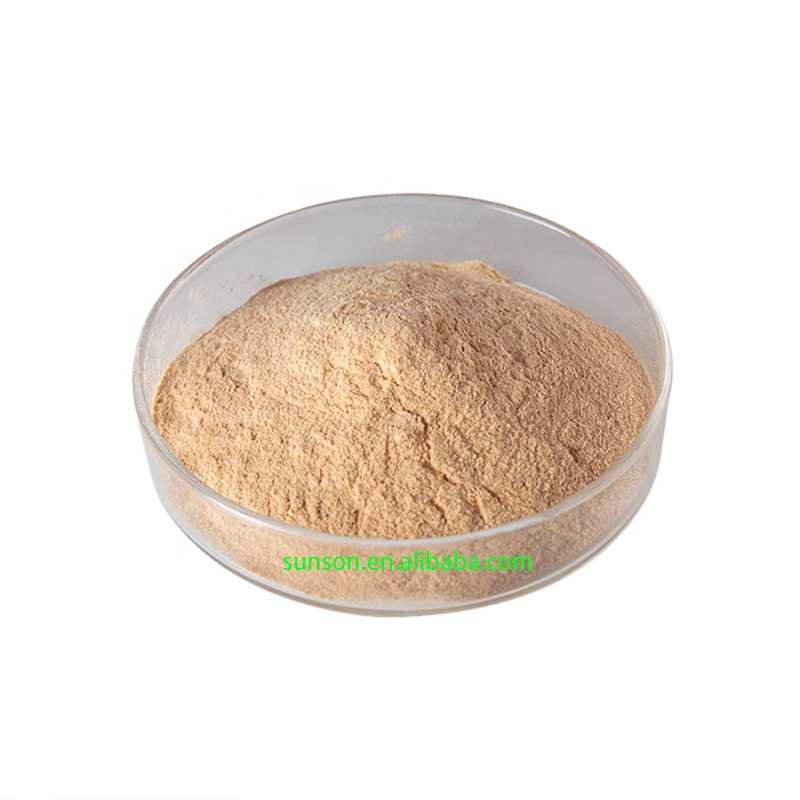
| 9 | Product Appearance | Pale tan powder |
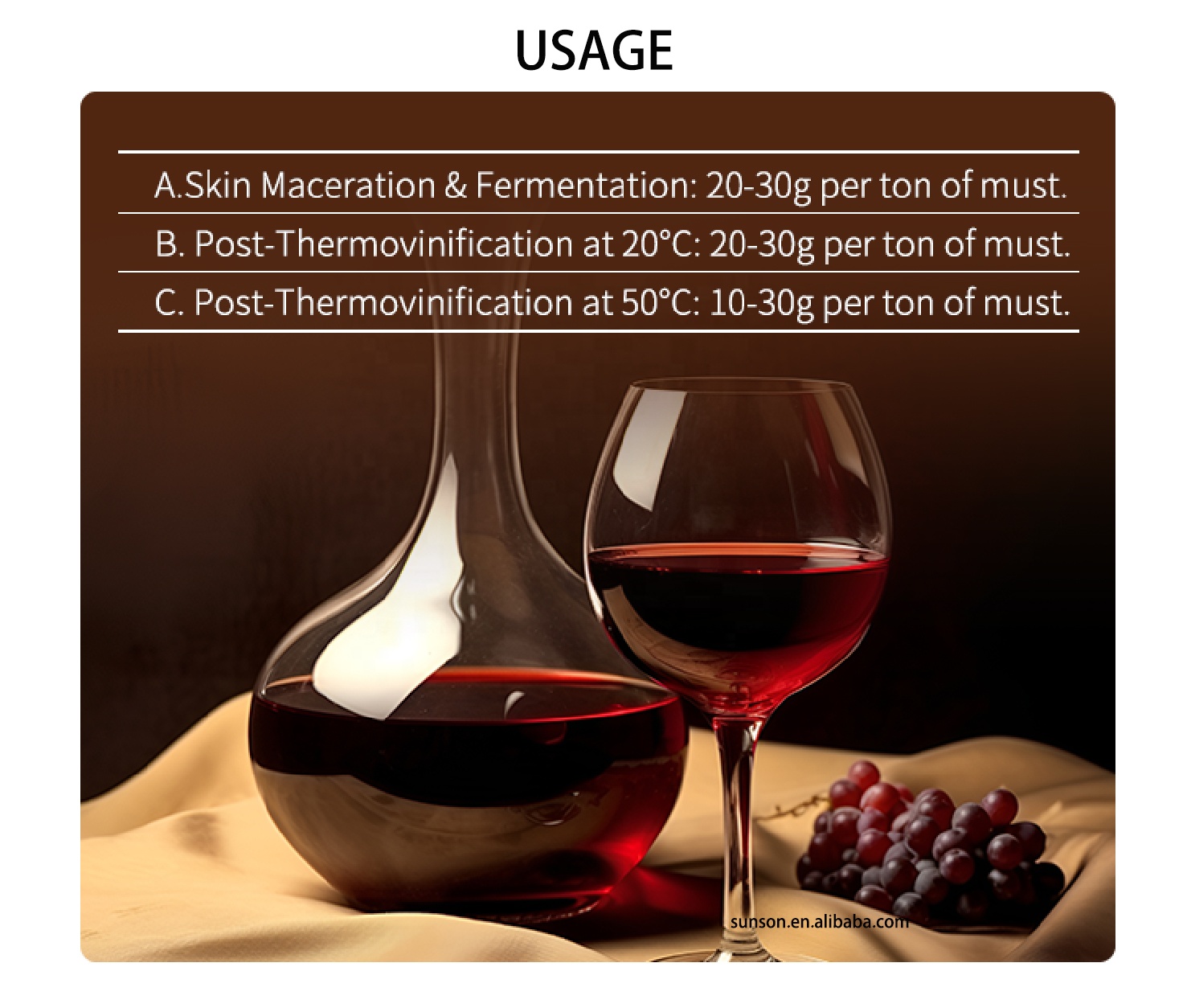
For optimal dispersion: Dissolve the pectinase in a small amount of pure water before application. Add to the tank and mix thoroughly.
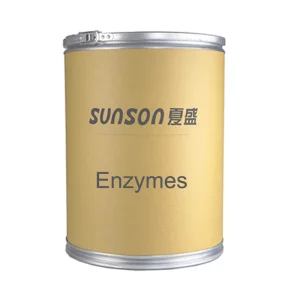
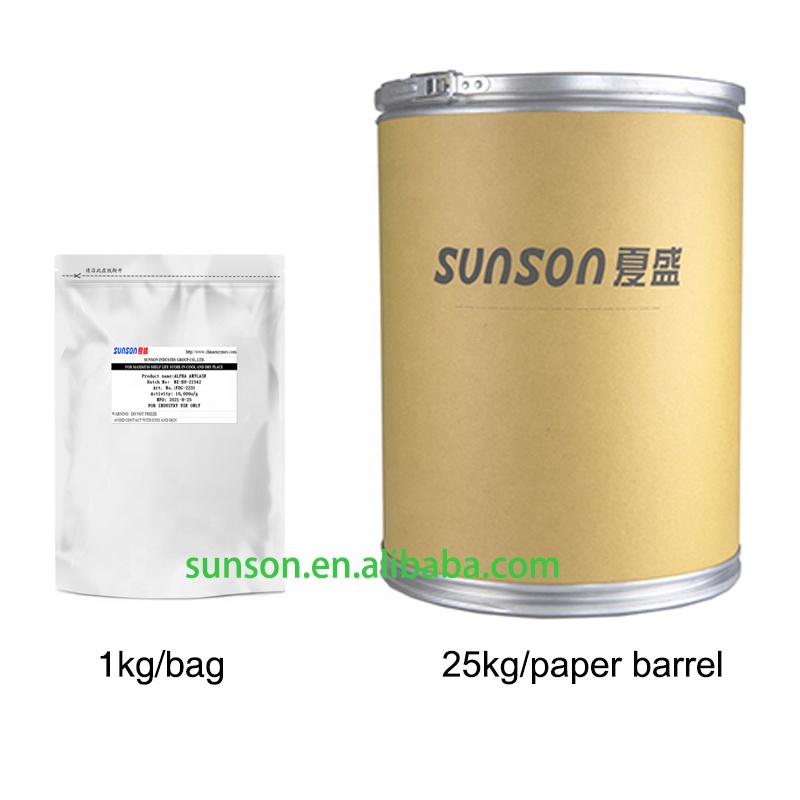
1. Packaging:
2. This product is an active biological preparation. During transportation and storage, it should be protected from light, stored at low temperature, kept dry, and in a ventilated environment.
3. The product, in its original sealed packaging, has a shelf life of 12 months when stored in a cool, dry environment.
Enzyme preparations are proteins. Inhalation of dust or suspended particles may cause sensitization, leading to allergic reactions in susceptible individuals. Prolonged exposure to certain enzymes may irritate the skin, eyes, and mucous membranes. Splashing and vigorous agitation may generate inhalable dust. It is recommended to wear protective clothing, gloves, and eye/face protection.
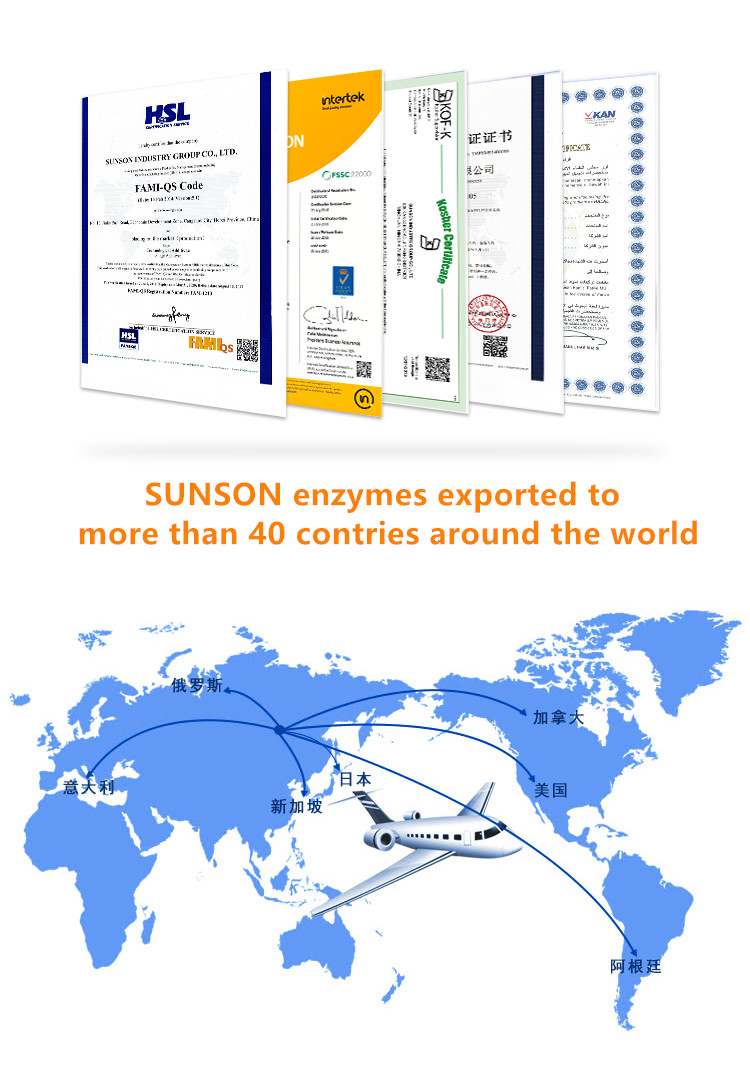
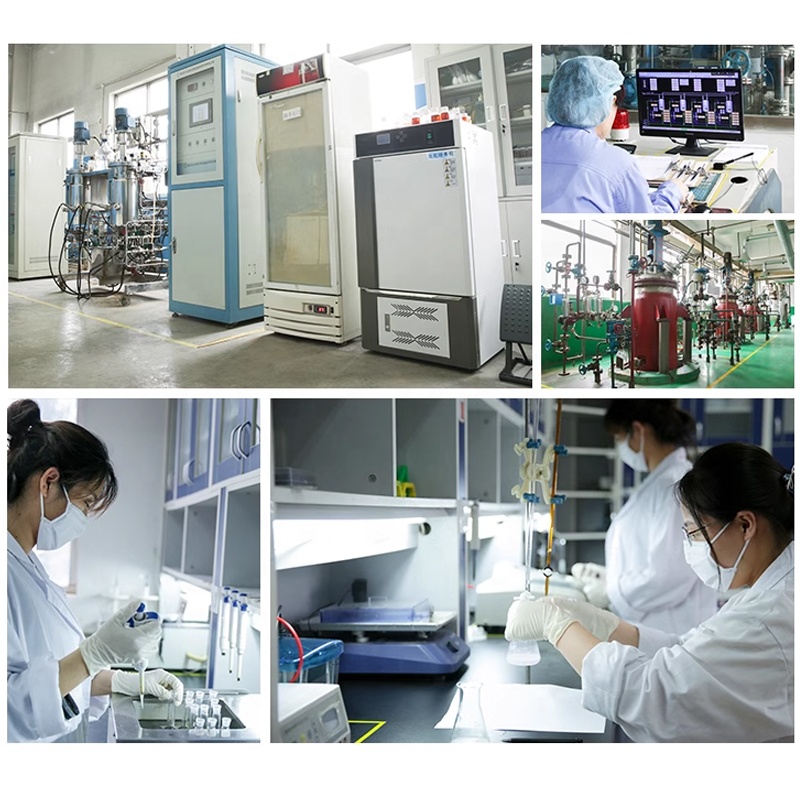
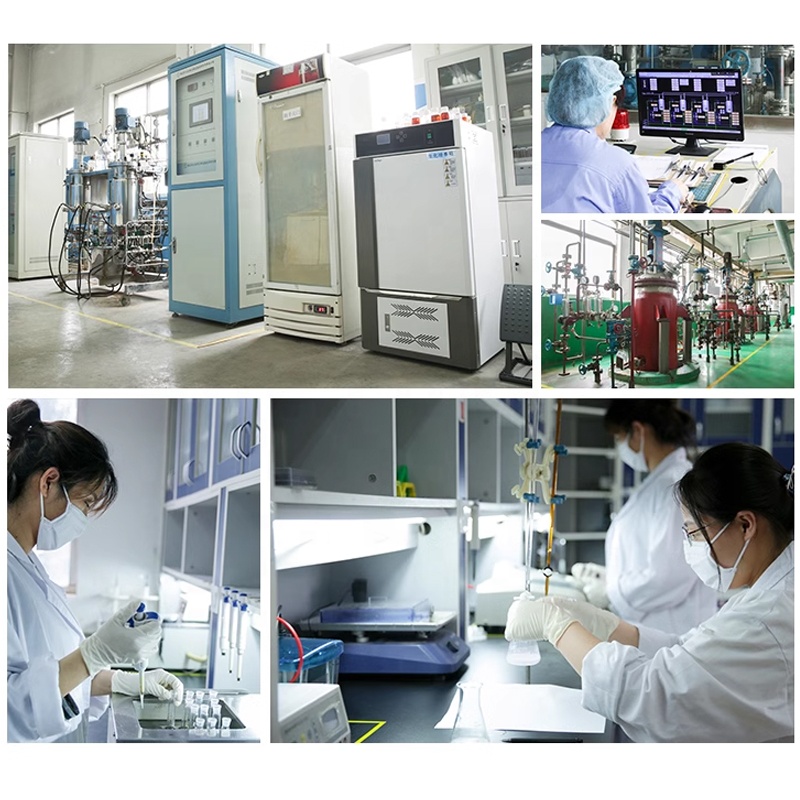
Our cooperative production partner was founded in 1996. With more than 30 years of full effort, they have grown to be a large enzyme enterprise, specializing in exploring, researching, manufacturing, and marketing industrial enzymes. Featuring 1 strain R&D center, 1 application research center, and 2 modern manufacturing bases, they are a key enterprise in the enzyme industry and were among the first to obtain ISO9001 quality management system certification in the enzyme field.
Currently, the enterprise has established multiple subsidiary companies and offices globally, with products exported to more than 100 countries and regions, becoming a leading brand in the enzyme industry.