An analytical assessment of global tincture extraction technologies, industrial B2B procurement patterns, structural supply chain developments, and China’s Factory 4.0 production ecosystem.
The international B2B wellness sector is undergoing an unprecedented shift. Globally, consumer dynamics are gravitating away from conventional powdered pill delivery mechanisms towards highly bioavailable liquid mediums. Consequently, herbal tinctures and liquid botanical extracts have emerged as critical ingredients for premium nutraceutical lines, targeted cosmetics, functional foods, and pharmaceutical compounds.
Market statistics indicate the global herbal extracts and tinctures market size is projected to witness a CAGR exceeding 8.2% over the next decade. The core driver behind this transition is the elevated cellular absorption rates inherent in liquid tinctures compared to dry-compressed tablets. B2B buyers—specifically product developers, formulators, and pharmaceutical procurement teams—require reliable global suppliers capable of delivering standardized phytochemical profiles that resist batch-to-batch fluctuation.
Modern search queries for "Herbal Tinctures Suppliers" show a 140% rise in search intent regarding "supercritical CO2 extraction" and "HPLC-validated purity certifications." Today's global trade environment favors suppliers who publish third-party gas chromatography-mass spectrometry (GC-MS) verification sheets directly in their catalog systems.
Corporate buyers navigating international logistics in Europe, North America, and APAC must comply with strict regulatory frameworks. Importation of botanical products is subject to rigorous FDA 21 CFR Part 111 (for dietary supplements), European Food Safety Authority (EFSA) directives, and local pharmaceutical licensing rules.
Because of these regulations, procurement strategies have evolved beyond simple cost comparison. Sourcing departments prioritize supply partnerships that offer:
Complete traceability profiles, including USDA Organic, Kosher, Halal, and cGMP credentials.
Guaranteed concentration levels of targeted bio-actives (e.g., specific flavonoid fractions or polyphenols).
Certificates of Analysis (CoA) documenting heavy metal, solvent residue, and microbiological parameters.
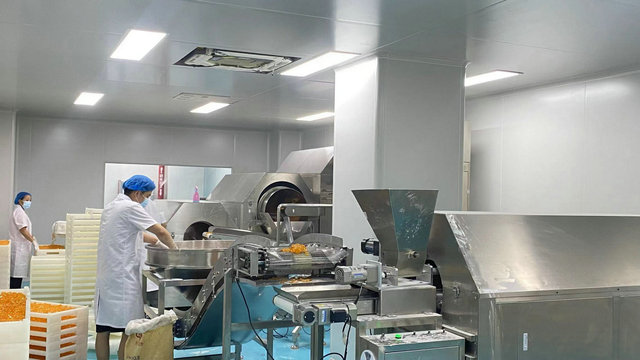
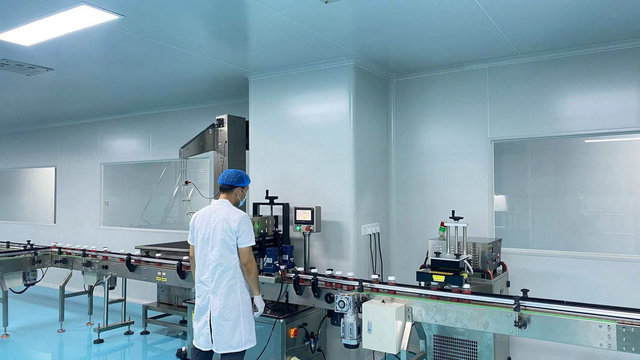
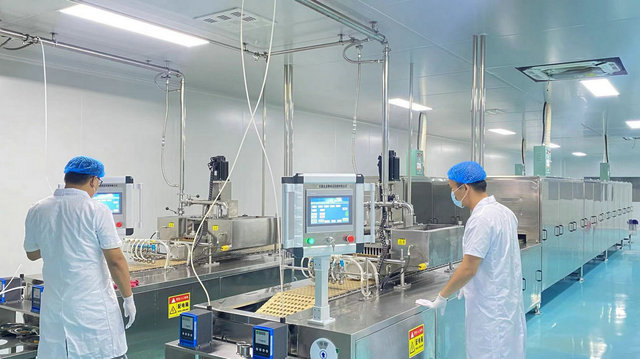
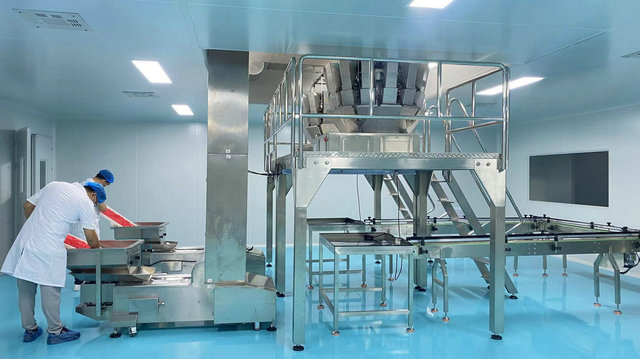
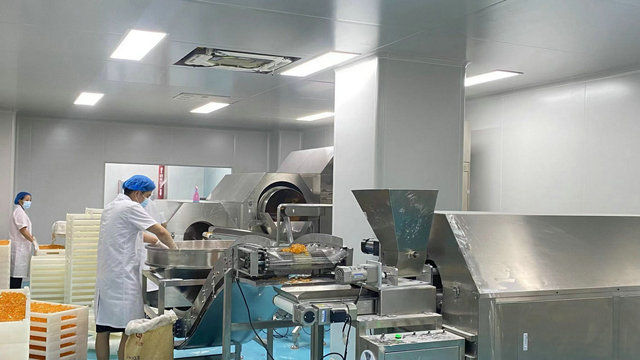
The Chinese manufacturing sector has moved beyond low-cost mass production. Through "Factory 4.0" automation, advanced extraction labs now utilize IoT sensor arrays, machine-learning-driven thermal regulation, and automated packaging lines. This modernization delivers consistent quality, high yields, and minimal processing loss.
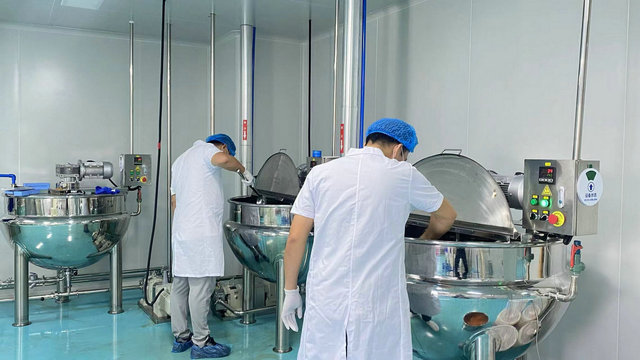
Hangzhou Soy Extracts Co., Ltd. represents this industrial evolution. As a leading manufacturer and exporter of dietary supplement ingredients, they leverage clean-room production systems and automated processing technology. The company integrates research, development, and mass-market supply to meet international compliance and volume needs.
Hangzhou Soy Extracts Co., Ltd. is a leading China dietary supplement ingredients manufacturer specializing in the research, development, production, and supply of high-quality nutraceutical raw materials for health and wellness products. With a strong commitment to innovation, quality, and sustainability, the company provides comprehensive ingredient solutions to dietary supplement brands, manufacturers, and distributors worldwide.
Leveraging advanced production technologies and modern manufacturing facilities, Hangzhou Soy Extracts offers an extensive portfolio of dietary supplement ingredients, including botanical extracts, plant proteins, amino acids, vitamins, minerals, functional ingredients, and other nutraceutical raw materials. These ingredients are widely used in dietary supplements, functional foods, sports nutrition products, health beverages, immune support formulations, and wellness applications.
Innovation is at the core of the company's business philosophy. Supported by a highly experienced R&D team, Hangzhou Soy Extracts continuously explores new ingredient technologies and formulation solutions to meet the evolving needs of the global nutraceutical market. The company also provides customized ingredient development and OEM/ODM support, helping customers accelerate product innovation and strengthen market competitiveness.
Quality assurance is integrated into every stage of production. From raw material sourcing and manufacturing to final inspection and packaging, strict quality control procedures are implemented to ensure product consistency, purity, safety, and compliance with international standards. The company is dedicated to delivering reliable and traceable ingredient solutions that meet the stringent requirements of global customers.
With customer satisfaction as its priority, competitive manufacturing capabilities, stable supply chains, and professional technical support, Hangzhou Soy Extracts Co., Ltd. has established long-term partnerships with clients across international markets. The company remains committed to providing premium nutraceutical ingredients that support healthier lifestyles and contribute to the sustainable development of the global health and wellness industry.
Standardized liquid extracts are used across several global B2B sectors:
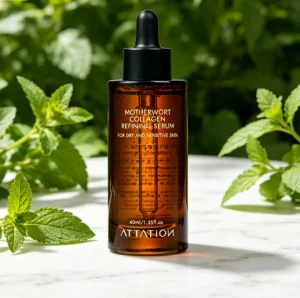
Anti-aging skincare lines utilize liquid botanicals (such as motherwort and collagen blends) for direct cellular absorption, offering targeted hydration and support for elasticity.
Beverage manufacturers use water-soluble herbal concentrates to formulate adaptogenic teas, relaxation drinks, and focus shots without affecting product clarity.
Supplements target targeted consumer needs (like sleep support, immune wellness, and respiratory comfort) using combinations of liquid extracts, vitamins, and minerals.
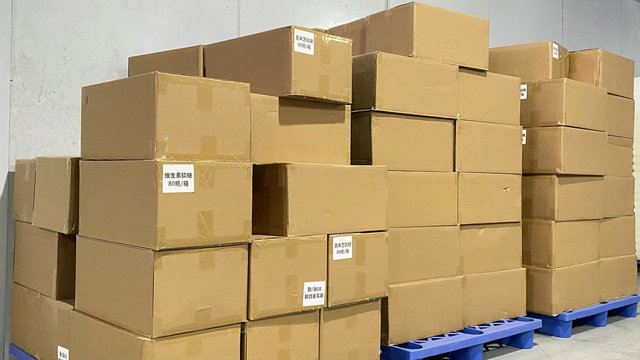
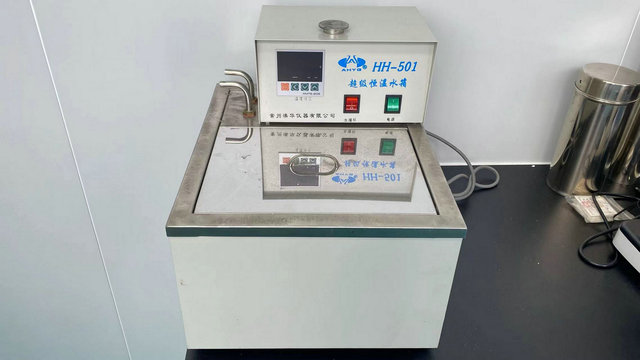
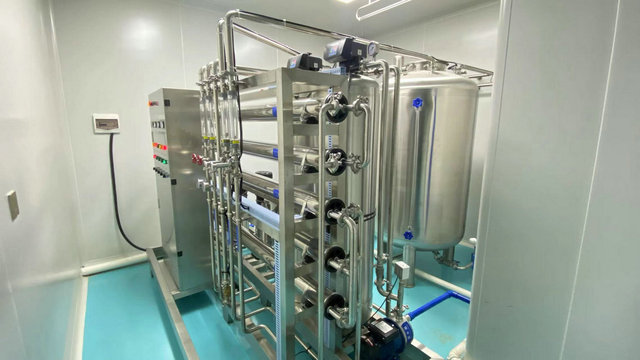
A visual representation of our manufacturing processes, including raw material sourcing, automated extraction loops, clean rooms, and quality control systems.
Answering common technical questions from global B2B procurement managers, compliance officers, and product developers regarding botanical extract manufacturing.
Wholesale botanical extractions typically use organic sugarcane food-grade ethanol, vegetable glycerin (glycerites), or refined water systems. Solvents are selected based on the target herb's active compounds: ethanol is used for lipophilic molecules like resins and essential oils, while water and glycerin are preferred for hydrophilic compounds.
High-Performance Liquid Chromatography (HPLC) is used to verify the concentration of specific active ingredients (e.g., standardizing ginsenosides or curcuminoids to fixed percentages). This ensures consistent therapeutic performance across production batches, regardless of seasonal variations in raw botanical materials.
High-purity ethanol-based tinctures generally have a stable shelf life of 3 to 5 years when stored away from direct sunlight in airtight containers. Glycerin-based extracts (glycerites) typically have a shelf life of 18 to 24 months due to different preservation characteristics.
Modern automated facilities run raw materials through multi-stage industrial filtration loops. These include sub-micron ceramic membranes, vacuum-assisted low-temperature evaporation, and inductively coupled plasma mass spectrometry (ICP-MS) to detect and remove heavy metals, pesticides, and microbial activity.
 Soy Extracts