Premium raw materials engineered for optimal bioavailability, muscle performance, and cellular health.
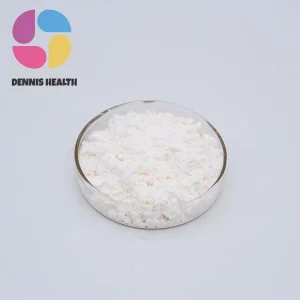
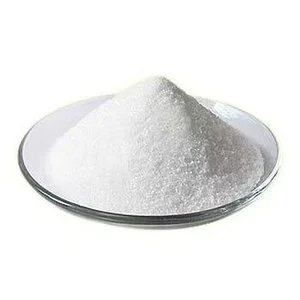
The global sports nutrition market has evolved from a niche category serving bodybuilders and elite athletes into a multi-billion-dollar mainstream lifestyle industry. Guided by consumer demand for metabolic longevity, performance enhancement, and clean-label supplements, the manufacturing ecosystem is undergoing a dramatic paradigm shift. No longer restricted to simple whey protein blends, contemporary sports nutrition incorporates complex bioactive peptides, gut-health modulators, mitochondrial optimizers, and advanced amino acid delivery systems.
Today's industry relies on a hyper-efficient supply chain characterized by stringent quality assurance and innovative biotechnology. North America and Europe continue to represent high-value consumption hubs, but the Asia-Pacific region, spearheaded by China, is rapidly developing into both a major consumer demographic and the world's most robust ingredient manufacturing engine. This geographic distribution requires top manufacturers to offer cross-border regulatory compliance, rapid custom synthesis, and highly responsive logistics networks.
When evaluating the world's premier sports nutrition factories, China stands out as the cornerstone of raw material synthesis and contract manufacturing. The competitive advantage of Chinese factories is not merely defined by cost efficiency, but by unmatched supply chain integration, advanced scale-up capabilities, and deep technical expertise.
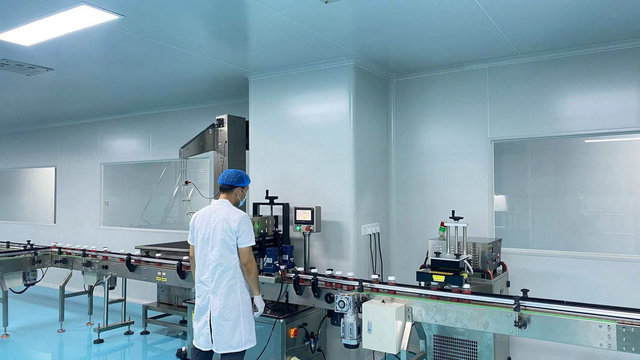
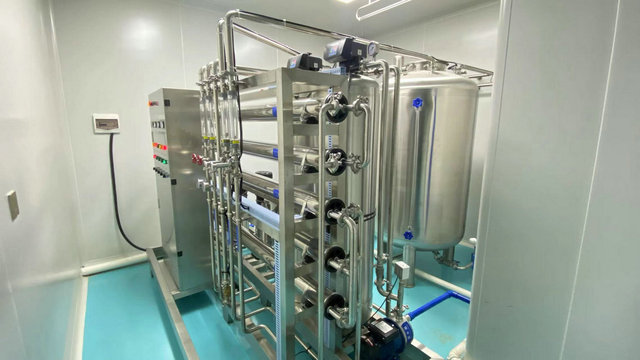
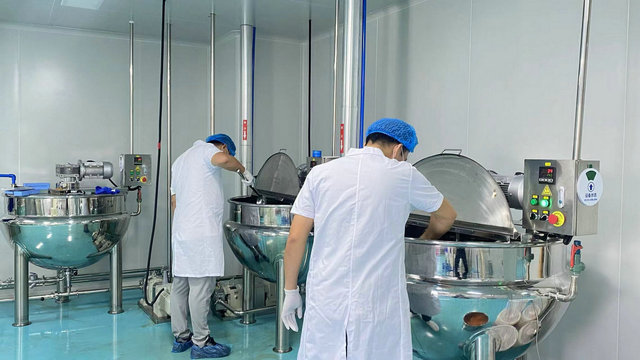
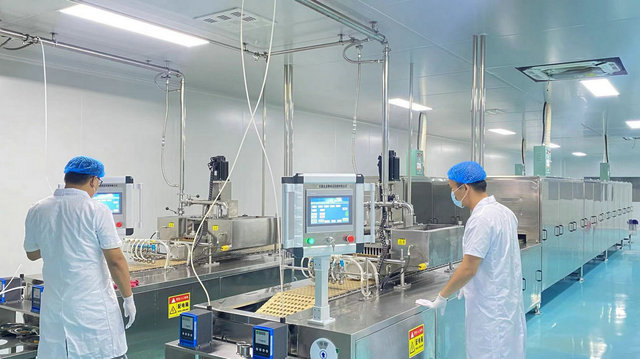
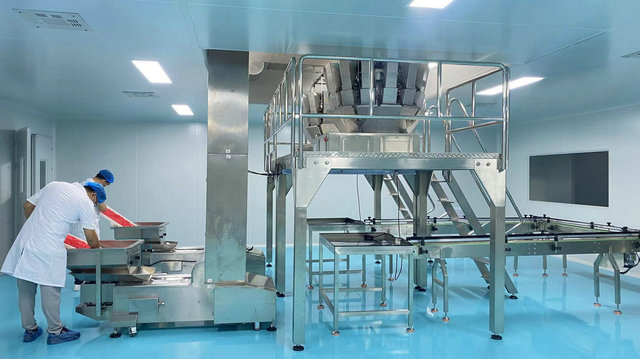
Chinese sports nutrition factories utilize specialized upstream integration, sourcing raw agricultural components and refining them into active bio-compounds in adjacent facilities. This proximity minimizes raw material transport risk, shields international buyers from market volatility, and ensures an uninterrupted flow of materials. Furthermore, Chinese manufacturers have heavily invested in automated cleanrooms, computerized fluid-bed dryers, and high-performance liquid chromatography (HPLC) testing labs.
As a prime example of China's industrial excellence, Hangzhou Soy Extracts Co., Ltd. stands as a leading China dietary supplement ingredients manufacturer. The company specializes in the research, development, production, and supply of high-quality nutraceutical raw materials for health and wellness products worldwide. With an unyielding commitment to innovation, safety, and supply chain consistency, the company provides comprehensive solutions to global sports nutrition brands, distributors, and pharmaceutical packagers.
Leveraging advanced production technologies and modern manufacturing facilities, Hangzhou Soy Extracts offers an extensive portfolio of dietary supplement ingredients. This includes botanical extracts, plant proteins, amino acids, vitamins, minerals, functional ingredients, and other nutraceutical raw materials. These ingredients are widely used in dietary supplements, functional foods, sports nutrition products, health beverages, immune support formulations, and wellness applications.
Innovation is the core driver of the company’s business philosophy. Supported by a highly experienced R&D team, Hangzhou Soy Extracts continuously explores new ingredient technologies and formulation solutions to meet the evolving needs of the global nutraceutical market. The company also provides customized ingredient development and OEM/ODM support, helping customers accelerate product innovation and strengthen market competitiveness.
Quality assurance is integrated into every stage of production. From raw material sourcing and manufacturing to final inspection and packaging, strict quality control procedures are implemented to ensure product consistency, purity, safety, and compliance with international standards. The company is dedicated to delivering reliable and traceable ingredient solutions that meet the stringent requirements of global customers.
Hangzhou Soy Extracts operates advanced manufacturing plants featuring cleanrooms certified to ISO and GMP standards, precision extraction columns, and automated packaging lines.
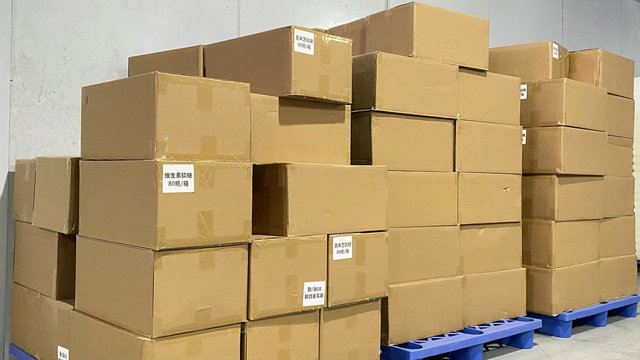

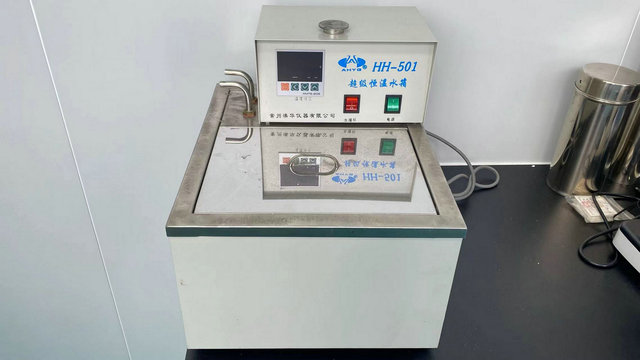

The future of sports nutrition is driven by biotechnological precision. To remain competitive, leading factories are moving beyond standard physical mixing methods and adopting advanced biochemical processes. The primary goal is targeting enhanced cellular efficiency and metabolic performance.
Using engineered microbes and yeast to produce ultra-pure amino acids and bioactive peptides. This approach reduces dependency on energy-intensive extraction, resulting in a smaller ecological footprint and highly consistent batch purity.
Applying advanced lipid coatings to volatile or poor-tasting compounds. This method shields active ingredients from gastric acid, delays release for prolonged absorption, and improves flavor profiles without artificial additives.
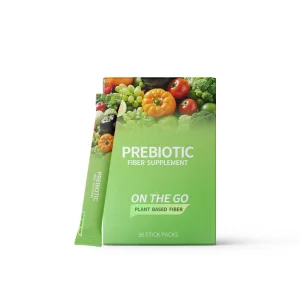
Combining prebiotics, probiotics (like Lactobacillus and Pediococcus strains), and Human Milk Oligosaccharides (HMOs) with protein powders to optimize gut flora, maximize protein absorption, and reduce exercise-induced systemic inflammation.
A critical metric for verifying the E-E-A-T credentials of a sports nutrition supplier is their ability to customize formulations for diverse localized target markets. Consumption habits vary by region, requiring custom delivery formats, flavor profiles, and allergen adaptations.
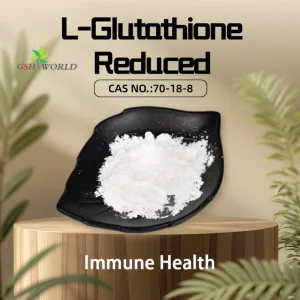
In North America, demand has expanded beyond hardcore gym-goers to the aging Baby Boomer demographic. Formulas focus on preventing sarcopenia (age-related muscle loss). This requires blending high-solubility Creatine HCl with anti-inflammatory compounds like L-Glutathione to protect joint health and combat cellular oxidative stress.
European consumers show a strong preference for plant-derived proteins and organic, non-GMO ingredients. Factories must supply hypoallergenic pea, soy, and rice protein isolates paired with natural texturizers like Fumaric Acid to achieve a clean acid profile without artificial synthetic acidulants.
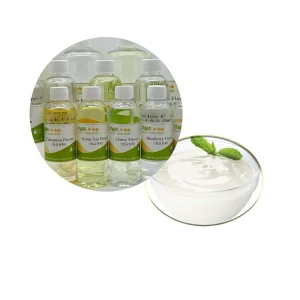
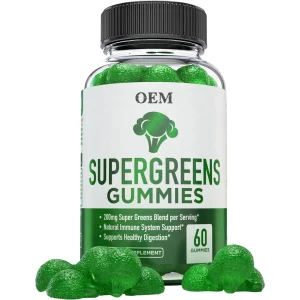
In Asian markets, convenience is key. This has driven a major shift toward functional RTD (Ready-To-Drink) beverages and dietary gummies. Formulations require heat-stable probiotics, prebiotic soluble fibers, and natural taste enhancers like Concentrated Fermented Yoghurt Flavor to mask the bitter notes of concentrated amino acids.
Exporting dietary ingredients globally requires navigating complex local regulatory landscapes. Each target country enforces distinct guidelines regarding active ingredient limits, labeling requirements, and cross-border contamination hazards.
Partnering with an experienced manufacturer like Hangzhou Soy Extracts helps brand owners streamline this compliance process. The factory provides comprehensive document packets, including:
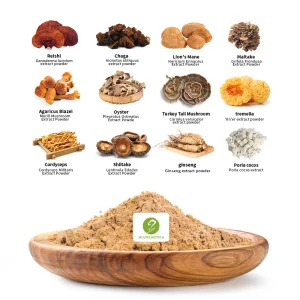
Premium grade botanical isolates, synbiotics, and bio-functional compounds for targeted performance enhancement.
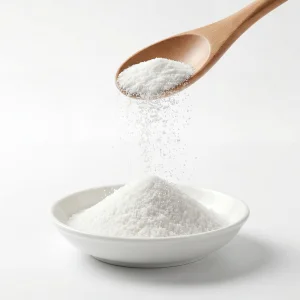
At a minimum, verify that the manufacturer maintains GMP (Good Manufacturing Practices) and ISO 9001/22000 certifications. For the sports nutrition sector, look for specialized third-party certifications like NSF Certified for Sport or Informed-Choice. These programs verify that raw ingredients are free from prohibited substances, heavy metals, and adulterants.
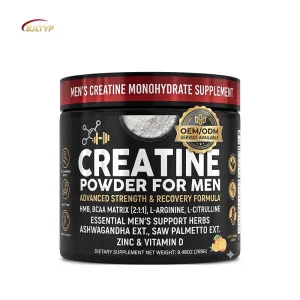
Creatine HCl (Hydrochloride) is molecularly bound to hydrochloric acid, which significantly increases its water solubility and bioavailability. This means a smaller dose is required to achieve the same muscle saturation level, reducing potential side effects like bloating or gastrointestinal discomfort.
Scientific research highlights the critical role of the gut-muscle axis. Introducing targeted probiotics (such as Lactobacillus Gasseri and Pediococcus Acidilactici) along with prebiotic fibers improves protein absorption, enhances systemic immune defense, and helps reduce gastrointestinal stress caused by strenuous physical exercise.
MOQs vary based on the specific delivery format. Standard powder formulations typically require a minimum run of 500 kg to 1,000 kg per batch. Complex formulations, such as softgels, gummies, or specialized multi-ingredient capsules, generally require larger production runs due to machine calibration requirements.
 Soy Extracts