Basic Info.
Model NO.
65072-01-7
EINECS
65072-01-7
Packaging Material
Paper
Storage Method
Normal
Shelf Life
>12 Months
Nutrient Composition
Amino Acid
Resource
Natural
The content of active substances
31%~60%
Appearance
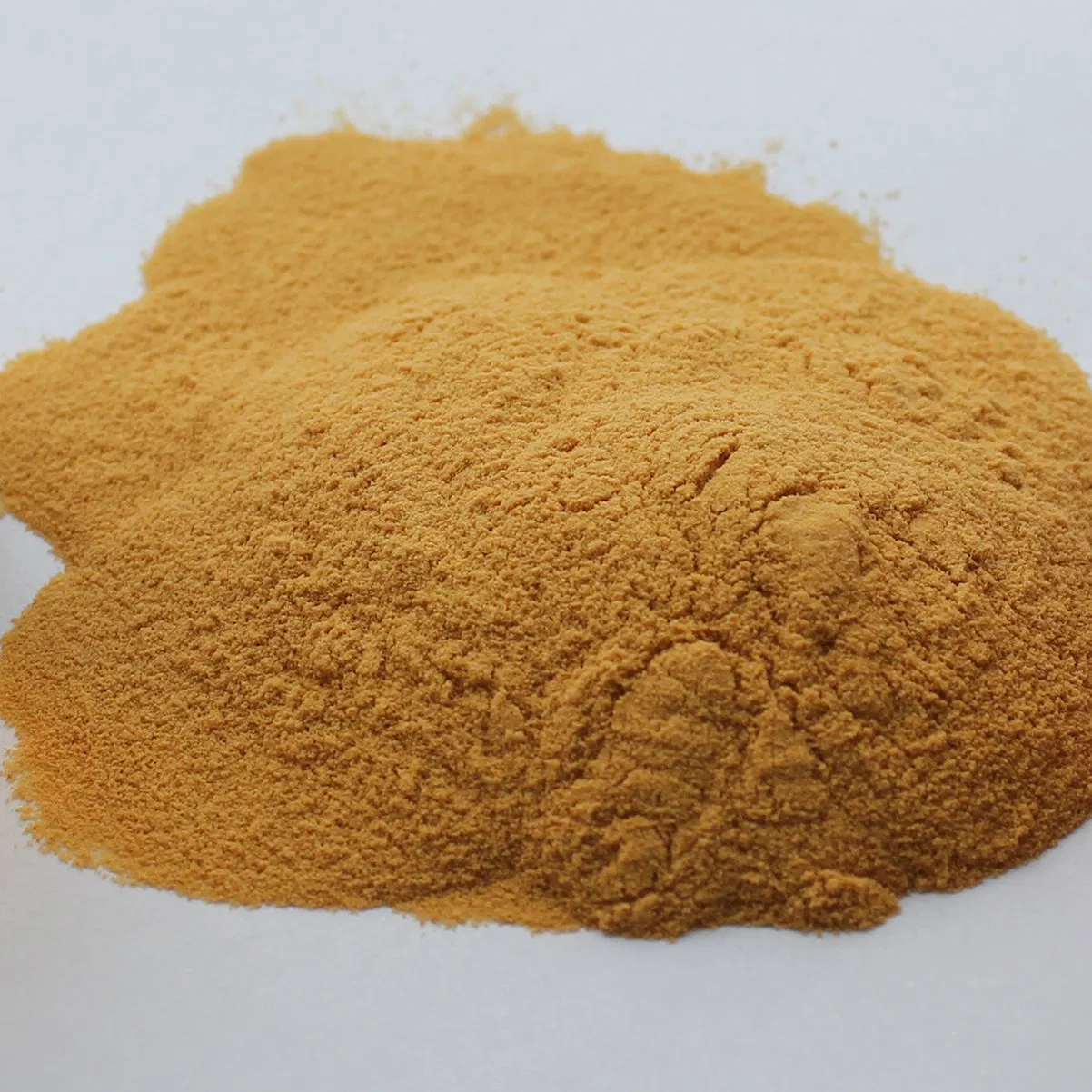
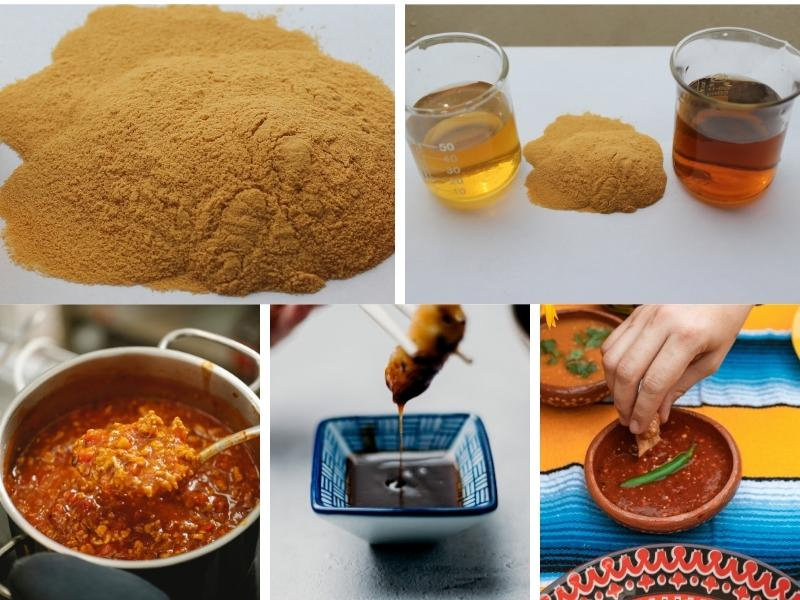
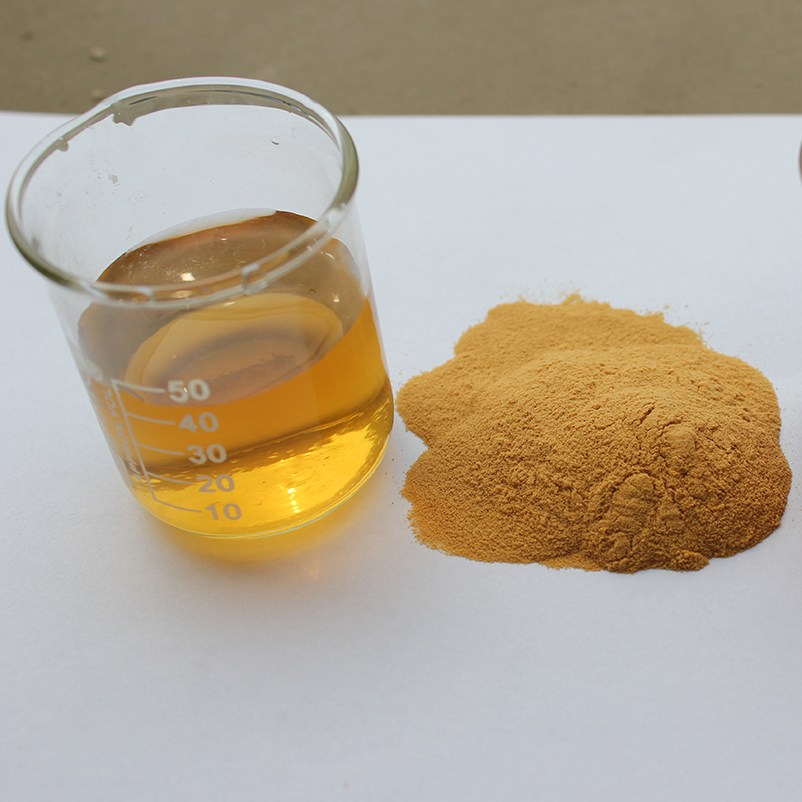
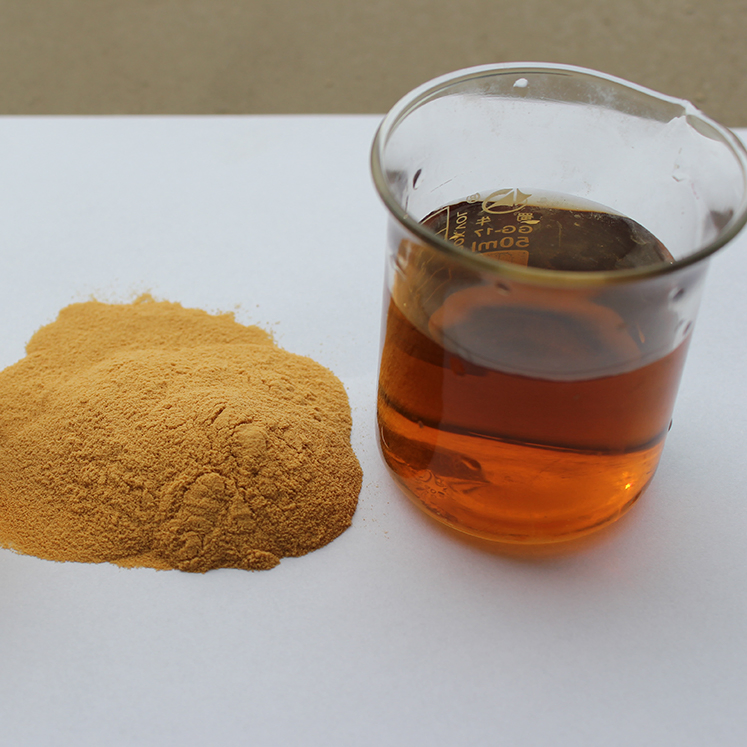
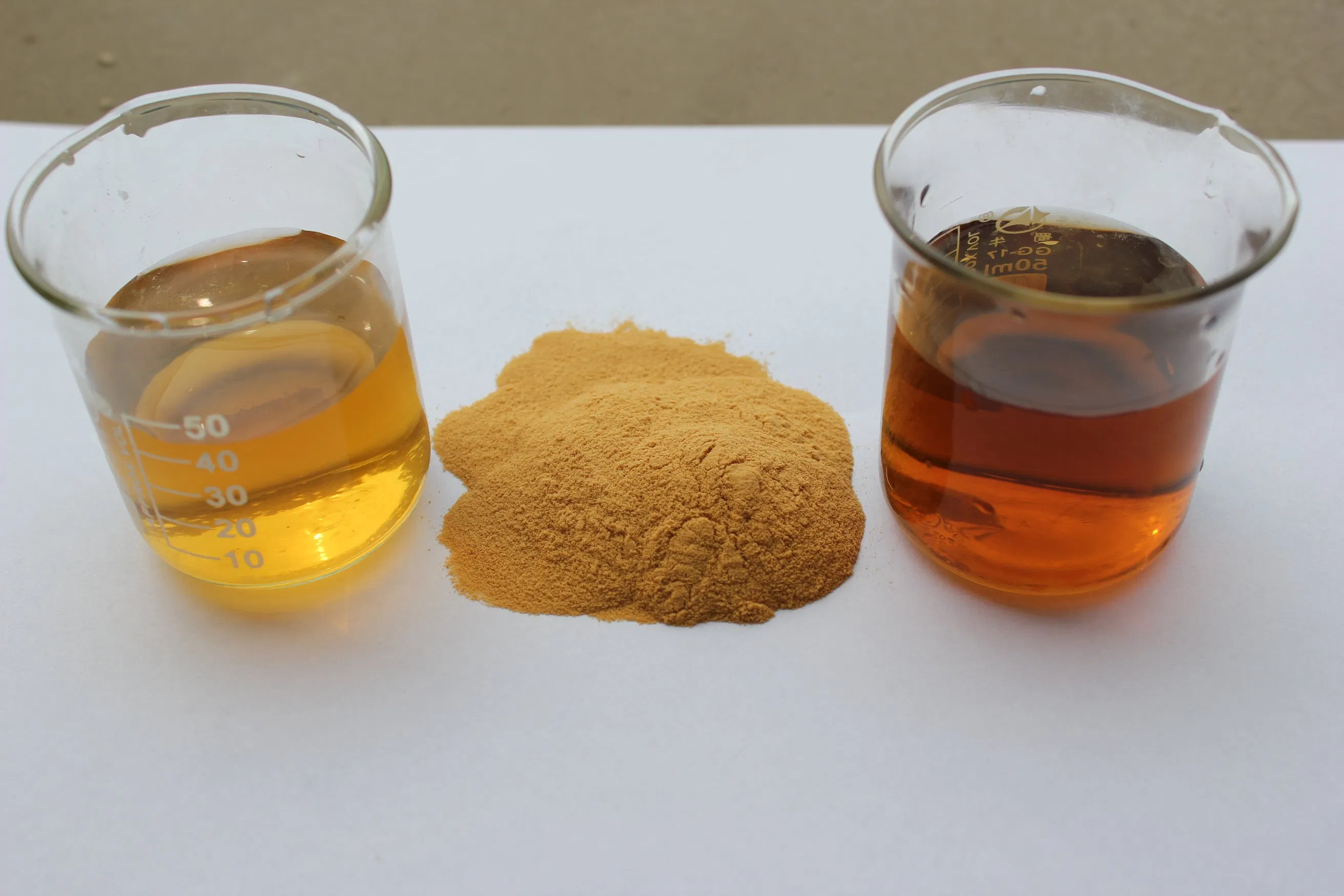
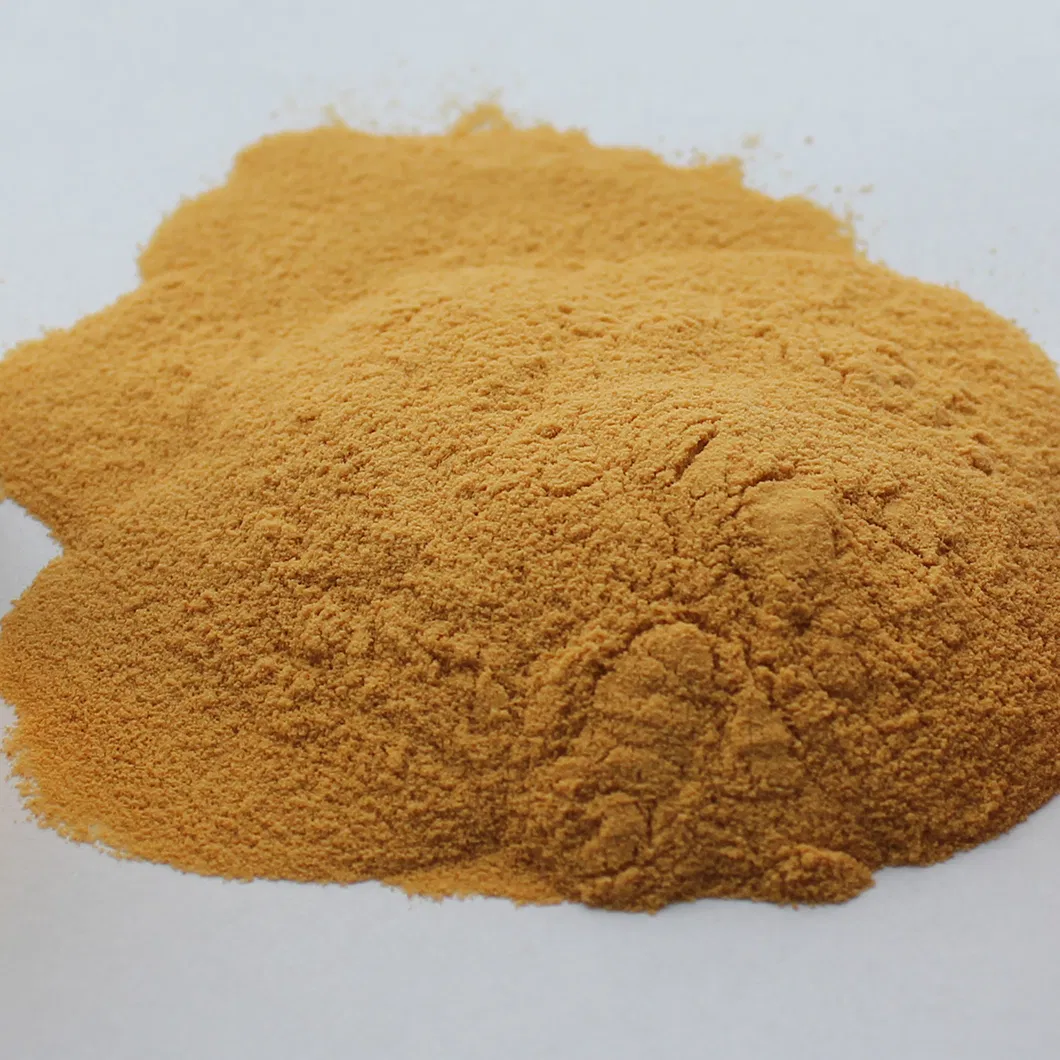
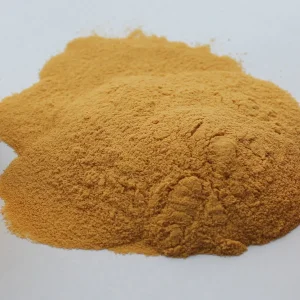
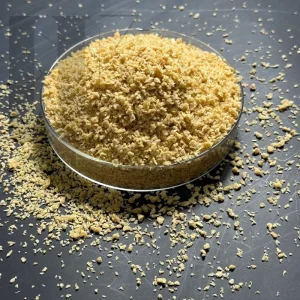
Yellow Powder
Odour
Savoury Smell
pH
6-8
Total Nitrogen
More Than 5%
Amino Nitrogen
More Than 4%
Hydrolyzed Protein
More Than 40%
NaCl
Less Than 45
Moisture
Less Than 5
Applied to
Sauce
Transport Package
Kraft Paper Bag
Specification
20kg/bag
Origin
China
Production Capacity
50tons/Month
HVP Hydrolyzed Vegetable Powder Food Additives
| Odour |
Savoury smell |
| PH(2% solution) |
6~8 |
| Total Nitrogen |
≥5.0 |
| Amino Nitrogen |
≥4.0 |
| Hydrolyzed Protein |
≥40.0 |
| NaCl |
≤45.0 |
| Moisture |
≤5.0 |
| Ash |
≤49.0 |
Hydrolyzed vegetable protein (HVP) is the product of hydrolyzed vegetable proteins catalyzed by acid. Its composition is mainly amino acids, so it is also called amino acid solution. It is mainly used in the production of high-grade condiments and nutritionally fortified food base and meat flavor raw materials.
Application Fields:
- Widely apply on chicken bouillon, all kinds of soup, and sauce flavoring.
- Seasoning packets of instant noodles, meat products, bread, and baked goods.
- Household spices, frozen food, and amino acid nutritional supplementation.
- Providing nutritional properties, increasing freshness, enhancing taste, reducing MSG/I+G dosage, and saving costs.
Recommended Dosage:
- Chicken bouillon: 2-15%
- Flavoring, Seasoning packet, instant noodles seasoning packet: 1-10%
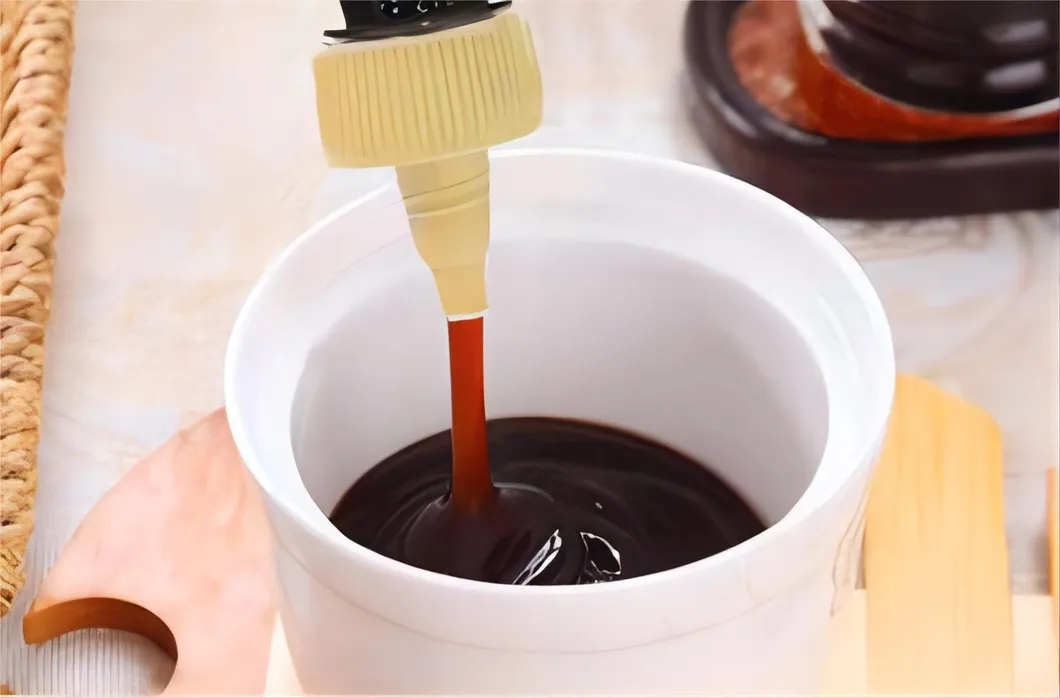
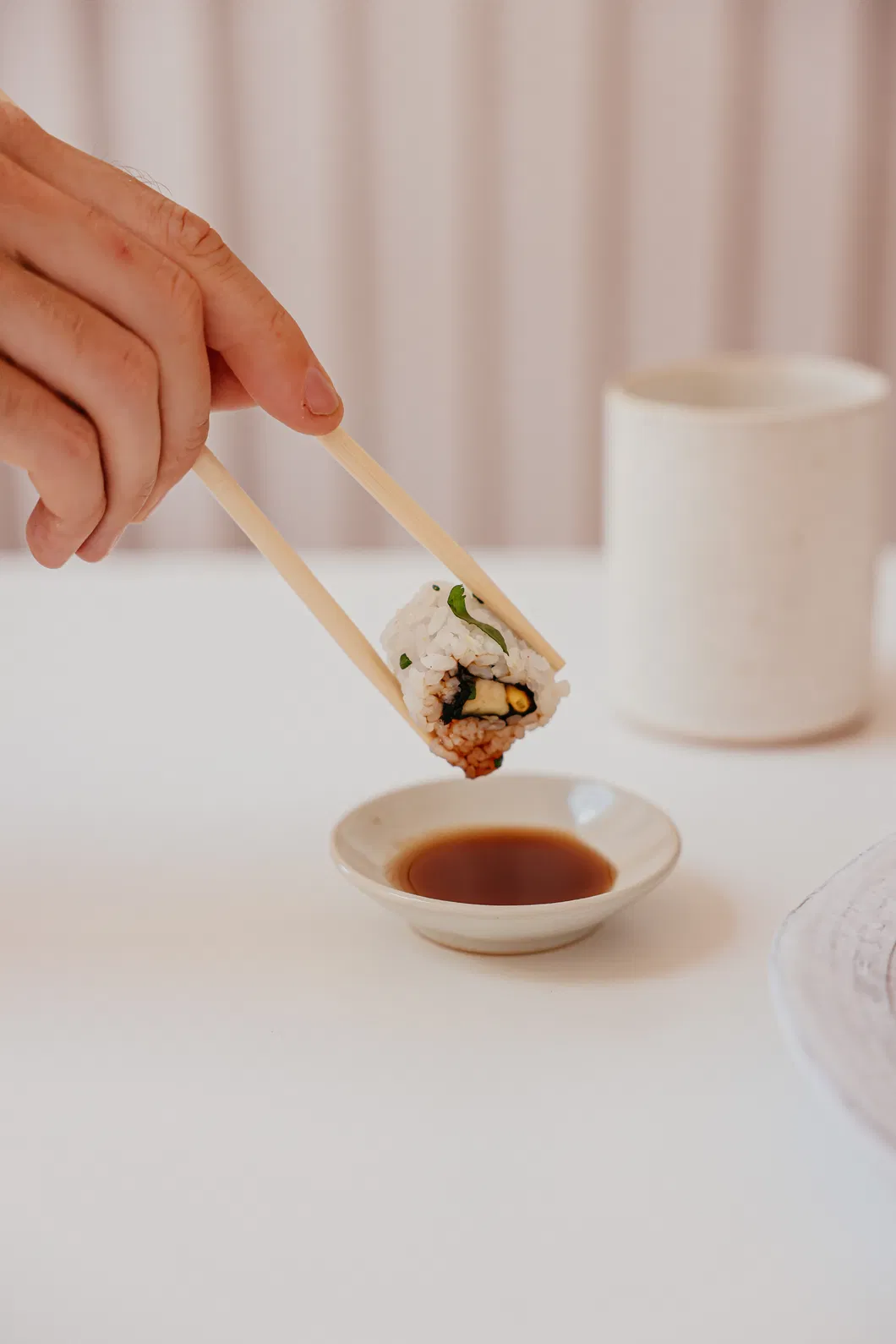
- All soup, soy sauce: 1-20%
- Meat products, bread, baked goods, household spices, frozen food: 0.5-5%
Package & Storage Guidelines:
Package: Kraft Paper bag or barrel. Can be customized according to requirements.
Shelf Life: 18 months.
Storage: Keep in a cool place away from direct sunlight. Avoid placing it directly on the ground.
Frequently Asked Questions
What is Hydrolyzed Vegetable Protein (HVP)?
Hydrolyzed vegetable protein (HVP) is the product obtained from the acid-catalyzed hydrolysis of vegetable proteins. It consists primarily of amino acids (often called amino acid solution) and is widely used to manufacture high-grade condiments, nutritional food bases, and raw materials for meat flavors.
What are the main applications of HVP food additives?
HVP is extensively used in chicken bouillon, various soups, sauce flavorings, seasoning packets for instant noodles, meat products, bread, baked goods, household spices, and frozen foods. It is also utilized for amino acid nutritional supplementation.
How does HVP benefit food formulation and production cost?
HVP adds nutritional value, enhances freshness, and provides a good-tasting profile. Furthermore, by using HVP, developers can reduce the dosage of MSG and I+G, effectively saving formulation costs.
What is the recommended dosage for different food products?
Typical usage rates include:
- Chicken bouillon: 2% to 15%
- Flavoring & Instant noodle packets: 1% to 10%
- Soups & Soy sauce: 1% to 20%
- Meat products, baked goods, & frozen foods: 0.5% to 5%
What are the storage guidelines and shelf life for HVP?
It has a shelf life of 18 months. It should be kept in a cool area protected from direct sunlight. To ensure safety, keep the packaging elevated and avoid placing it directly on the floor.
What are the primary specifications of HVP yellow powder?
The product features a savoury smell with a pH level between 6 and 8. It contains more than 5% Total Nitrogen, more than 4% Amino Nitrogen, more than 40% Hydrolyzed Protein, less than 45% NaCl, and less than 5% Moisture content.
 Soy Extracts